What Is Peri-Implantitis—And What Can You Do to Prevent It?
Tooth loss can occur at any time, be it due to bad oral hygiene habits, accidents, or practices like smoking. When that happens, looking for good dental implants near you is the first step toward restoring your smile, preventing jawbone density loss, and protecting your oral health for years to come.
However, even if implants are highly durable, good oral care habits are key to ensuring their long-term success. If not, you could develop peri-implantitis, a condition that can put your dental implant—and your overall health—at risk.

So, What Is Peri-Implantitis?
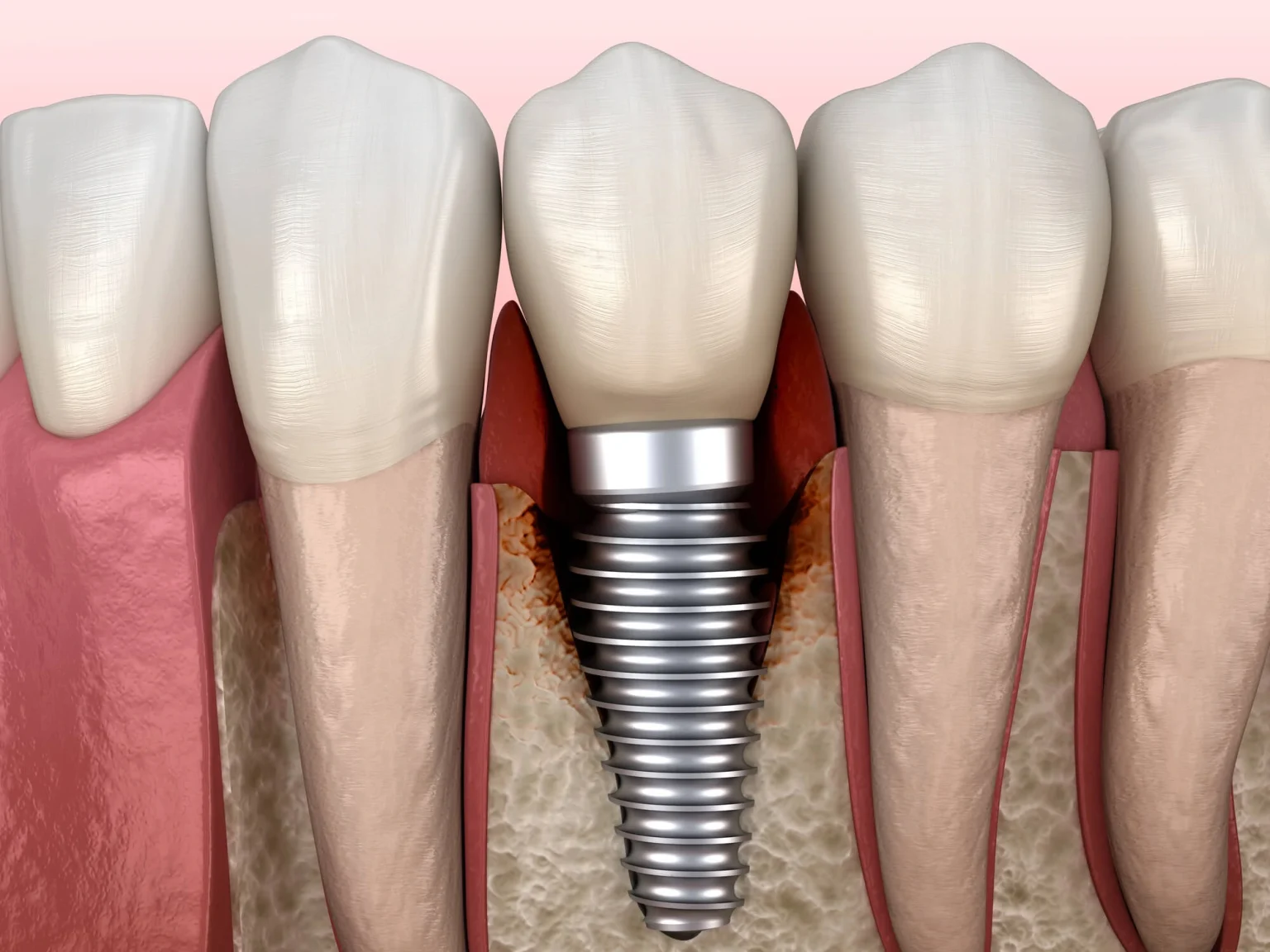
Peri-implantitis is an inflammatory condition that affects the tissue surrounding dental implants. Like gum disease, it involves infection of the supporting bone structure and gums.
If left untreated, this disorder may result in implant failure as well as bone loss. In essence, the implant loosens and, in the worst situations, falls out as the foundation holding it in place starts to deteriorate.
This illness results from an accumulation of bacteria surrounding the implant, which causes an infection. It may manifest abruptly (acutely) with severe symptoms or develop gradually over time (chronic).
Only one in three implant users is affected by peri-implantitis, making it a relatively uncommon occurrence. Nonetheless, avoiding that harmful bacterial accumulation requires practicing proper oral hygiene.
How Can I identify Peri-Implantitis?
If your implant is faulty, you will know. Our bodies often exhibit signs that something is wrong, and understanding them is key to finding the professional help you need.
Some symptoms that may indicate peri-implantitis include:
1. Peri-Implant Mucositis (Early Stage)
The first and mildest stage occurs when bacterial accumulation causes inflammation in the soft tissues surrounding the implant. It’s reversible with proper oral care, and it can be identified by issues like:
- Gums that are red or swollen around the implant.
- Bleeding when the area is touched or brushed.
- Slight gum tenderness or discomfort.
- An unpleasant aftertaste brought on by bacterial accumulation.
It is possible to prevent peri-implant mucositis from worsening with appropriate cleaning and expert care.
2. Peri-Implantitis (Moderate Stage)
If nothing is done, peri-implant mucositis will progress to a more dangerous stage. A few possible symptoms are:
- Excessive bleeding and enlargement of the gums surrounding the implant.
- Deep spaces developing between the implant and gums.
- Bone loss that shows up on X-rays.
- Discomfort when chewing.
To stop additional harm at this point, prompt treatment is required. If nothing is done, the bone will continue to deteriorate, raising the possibility of implant failure.
3. Peri-Implant Abscess (Severe Stage)
The infection worsens at this point, and the implant has a significant chance of failing. An infection filled with pus, known as a peri-implant abscess, can occur in certain situations. Some warning indicators are:
- Considerable bone loss visible on X-rays.
- Implant loosening as a result of diminished support.
- Sharp pain that radiates to the upper face or jaw.
- Discharge of pus from the implant location.
- Swelling of the face and gums, which can occasionally change the appearance of the face.
- Fever, a symptom of an infection that is spreading.
To stop additional harm, this stage needs immediate treatment.
4. Implant Failure
Complete implant failure results from untreated peri-implantitis. At this stage, the implant needs to be removed, and other procedures like bone grafting might be necessary before trying a new implant.
Early detection of peri-implantitis can save the implant and avoid significant damage. To track bone loss and determine the best course of treatment, periodontists use X-rays and sophisticated diagnostic equipment.

What Can I Do to Prevent Peri-Implantitis?
Implants are designed to be a long-term solution, with an over 98% success rate. However, to avoid complications, implants need to be maintained with rigorous oral hygiene and routine examinations. Taking good care of your implants from the beginning is the best defense against peri-implantitis.
Here are some ways to keep them healthy:
- Brush and Floss Every Day: Use any specialized instruments your dentist suggests and clean the area around your implants at least three times every day. Interdental brushes help you clean up more effectively, too.
- Steer Clear of Drugs, Alcohol, and Smoking: These unhealthy behaviors exacerbate inflammation, impair immunity, and delay healing.
- Stay Healthy: Eat a balanced diet, drink plenty of water, and take care of any illnesses that may interfere with healing, such as diabetes.
- See Your Dentist on a Regular Basis: Regular examinations will assist in identifying peri-implantitis early on before it worsens.
- Prevent Excessive Force on Your Implants: Despite their strength, implants have limitations. Excessive pressure during chewing may cause the bond between the implant and bone to deteriorate. If you grind your teeth, consider wearing a nightguard.
- Keep an Eye out for Warning Signs: See your dentist immediately if you experience any discomfort, redness, or swelling around your implant.
Understand What Causes Peri-Implantitis
Peri-implantitis is primarily caused by poor oral hygiene, but it is a very complicated condition with multiple contributing factors. Negative behaviors, such as smoking, increase inflammation and slow down healing, increasing the risk of infection for implants.
Certain illnesses can also hinder the healing process, impair bone strength or the immune system, and increase the risk of peri-implantitis. Peri-implantitis is also more likely to occur if you have had periodontal disease (gum disease) prior to receiving an implant.
Furthermore, implant placement also plays a big role.
Not all implant procedures are performed correctly, and errors like using subpar supplies, the wrong instruments, or failing to sterilize the area can cause issues. To avoid complications, it’s important to have implants placed by a trained specialist.

Look for Good Dental Implants Near You and Be a Step Closer to Implant Success
Because they may jeopardize their stability, infections surrounding your important site are dangerous. Nevertheless, you are not destined to lose the implant if you begin to notice some inflammation.
If the issue is identified early and treated appropriately, your implant and oral health can be preserved. Daily brushing and flossing, routine dental checkups, and quitting smoking are the keys to regaining your health. If you’re due for a checkup with your dental specialist, contact Parkside Dental Care today to schedule an appointment!