
A missing molar sits out of sight, but it changes a lot about how your mouth works. Chewing feels lopsided. Food gets stuck. You might even notice your jaw feels tired after meals.
If you’re considering a dental bridge for missing molar replacement, it may help restore your bite without requiring a removable appliance.
Whether a bridge will work depends on the location of the gap and the health of the surrounding teeth.
A traditional dental bridge can replace a missing molar when the teeth on either side of the gap are healthy enough to support it and your gums and jawbone are in good shape.
It’s a fixed, non-removable option that many people prefer over a removable device.
The right fit depends on the condition of your neighboring teeth, how much chewing force that area of your mouth handles, and whether you have a tooth on both sides of the gap to anchor a bridge.
This gets more complicated toward the back of your mouth, where molars do the heaviest work of grinding food.
Not every back-tooth gap is a good candidate for a bridge, and knowing the signs ahead of time can save you a lot of back-and-forth at the dentist’s office.
Key Takeaways
- A traditional bridge can replace a missing molar if the adjacent teeth and gums are healthy enough to support it.
- Leaving a molar gap unfilled can affect your bite, your jawbone, and even your other teeth over time.
- Bridges, implants, and partial dentures each fit different situations, so the best choice depends on your bone health, budget, and how fast you need a fixed replacement tooth.
Table of Content
- When a Fixed Bridge Can Support a Back Tooth
- What Happens When a Molar Is Not Replaced
- Signs a Bridge May Be the Right Fit
- Bridge vs. Implant vs. Partial Denture for a Missing Molar
- Making a Confident Choice for Your Back Tooth
- Frequently Asked Questions
When a Fixed Bridge Can Support a Back Tooth
A fixed bridge can replace a missing molar when there are strong, healthy teeth on both sides of the gap to act as anchors.
This is the basic requirement for any traditional dental bridge, and it’s especially important in the back of your mouth where chewing forces are highest.
How a Traditional Bridge Replaces a Molar
A traditional dental bridge uses two dental crowns placed on the teeth next to the gap, with an artificial tooth (called a pontic) fused between them.
Think of it like a small bridge over a river: the crowns are the supports on each bank, and the false tooth spans the space where your molar used to be.
The two supporting teeth are called abutment teeth. Once they’re shaped and fitted for crowns, a dental laboratory crafts the whole bridge as one solid piece, which your dentist then cements into place.
The result functions much like a natural tooth, letting you bite and chew without a device you have to take in and out.
Why Adjacent Teeth and Gum Health Matter
The strength of your bridge depends entirely on the health of the teeth holding it up.
If the adjacent teeth have large fillings, cracks, or gum disease around them, they may not be strong enough to handle the extra chewing forces a bridge places on them.
Healthy gum tissue also matters, since the bridge needs a stable, well-supported base to sit against.
A dentist will check for bone loss around those teeth before recommending this route, because a bridge asks a lot of its neighboring teeth over the years.
At Parkside Dental Care, this evaluation is one of the first steps in any bridge consultation, since the long-term success of the restoration depends on it.
When the Location of the Gap Changes the Plan
A single missing tooth in the middle of your molars is usually the easiest case, since there’s a natural tooth on each side to support the bridge.
Losing your last molar creates a different situation, because there’s no tooth behind the gap to anchor a second crown.
In that case, a traditional bridge isn’t physically possible, since it needs support on both sides.
This is one of the more overlooked details in the tooth replacement dilemma many patients face when their back molar is gone, and it often points them toward an implant instead.
What Happens When a Molar Is Not Replaced
Leaving a missing molar unreplaced can lead to shifting teeth, an uneven bite, and gradual bone loss in your jaw.
These changes don’t happen overnight, but they tend to build up quietly over months and years.
Your other teeth start compensating for the gap almost right away, and that extra strain can lead to problems well beyond the missing tooth itself.

How Missing Back Teeth Affect Chewing and Nutrition
Missing molars make chewing tough food much harder, since your front teeth aren’t built for grinding. Many people shift to softer foods without realizing it, which can affect the variety of nutrients they get.
If you have no molars on one side, you’re likely relying heavily on the other side to do all the work.
That uneven use can wear down those teeth faster and make jaw muscles on that side feel tired or sore after meals.
Can a Gap Change Your Bite Alignment?
Yes, a gap left by a missing molar can shift your bite alignment over time.
Neighboring teeth tend to tilt into the open space, and the tooth that used to bite against your missing molar can drift upward or downward looking for something to touch.
This drifting throws off your bite balance, which can lead to jaw discomfort or TMJ disorders in some patients.
An uneven bite can also make it harder to keep teeth clean, raising your risk for cavities and gum disease around the shifted teeth.
Why Jawbone Loss Develops After Tooth Loss
Your jawbone needs the pressure from chewing to stay strong, and without a tooth root in place, that section of bone starts to shrink through a process called bone resorption.
The longer a molar stays missing, the more bone volume you can lose in that area. This matters even if a bridge is your plan, since a bridge doesn’t stimulate the jawbone the way a tooth root does.
It matters even more if you’re considering an implant later, since implants need enough bone density to succeed.
Reviewing the importance of replacing missing teeth early on can help you avoid needing a bone graft down the road.
Signs a Bridge May Be the Right Fit
A bridge tends to be a strong option when your neighboring teeth are already compromised, you want a fixed replacement without surgery, or an implant isn’t practical for you right now.
These signs help you and your dentist narrow down the choice before you commit to a treatment plan.
Your Neighboring Teeth Already Need Crowns
If the teeth next to your missing molar already need dental crowns due to large fillings, cracks, or previous root canals, a bridge can solve two problems at once.
Instead of crowning those teeth separately and leaving the gap empty, a bridge uses those same crowns as the anchor points for your new tooth.
This can make a bridge a practical, efficient choice rather than an added expense on top of other planned dental work.
You Want a Faster Fixed Replacement Without Surgery
A bridge typically takes fewer appointments than a dental implant, since there’s no implant surgery or healing period built into the process.
If you have a timeline you’re working around, like an upcoming event or a medical condition that makes surgery unappealing, a bridge gets you to a fixed replacement tooth faster.
When an Implant May Not Be Practical Right Now
An implant may not be practical if you don’t have enough bone density in the jaw, and you’re not ready to pursue bone grafting first.
Bone grafting adds time and healing to the process, which isn’t the right fit for everyone.
Health conditions, medications, or a preference to avoid surgery altogether can also make a bridge the more comfortable path.
A conversation with your dentist about your bone health and goals is the best way to sort out which fixed replacement suits you, and this kind of consultation is something our team at Parkside Dental Care walks through with every patient considering dental implants versus a bridge.
Bridge vs. Implant vs. Partial Denture for a Missing Molar
A dental implant tends to protect your other teeth and bones the best, a removable partial denture works well for multiple missing teeth on a budget, and a traditional bridge fits a single gap with strong neighboring teeth.
Each option handles chewing forces differently, and that difference matters most in the molar area where bite pressure is highest.
| Factor | Traditional Bridge | Dental Implant | Removable Partial Denture |
| Support | Adjacent natural teeth | Jawbone (osseointegration) | Gums and remaining teeth |
| Surgery required | No | Yes | No |
| Protects adjacent teeth | No (requires crowns) | Yes | Varies |
| Bone preservation | No | Yes | No |
| Removable | No | No | Yes |
| Typical timeline | Weeks | Months (with healing) | Weeks |
When a Dental Implant Better Protects Healthy Teeth and Bone
A dental implant avoids altering your healthy neighboring teeth, since it doesn’t need crowns on either side for support.
Instead, a titanium post is placed into your jawbone, where it fuses with the bone over time through a process called osseointegration.
This fusion also helps prevent the bone loss that happens after tooth loss, since the implant post gives the jawbone the stimulation it needs.
If bone density is a concern, a bone graft can rebuild the area first, a step explained in more detail in this guide on bone grafting.
When a Removable Partial Denture Makes Sense
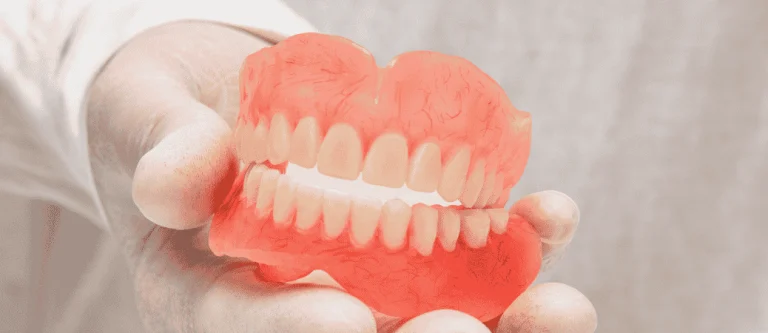
A removable partial denture may be considered when you’re missing several molars and prefer a removable tooth replacement that doesn’t involve implant surgery.
It clips onto your remaining natural teeth and can be taken out for cleaning, which some patients find easier to manage day to day.
Partial dentures don’t handle heavy chewing forces quite as well as a fixed bridge or implant, but they remain a practical, affordable choice for many patients.
Why Maryland Bridges Are Rarely Ideal for Molars
Maryland bridges use thin metal or resin wings bonded to the back of neighboring teeth instead of full crowns, which works well for front teeth with light bite pressure.
In the molar area, the heavy chewing forces can loosen or snap those bonded wings over time.
This is why most dentists reserve Maryland bridges for front teeth and recommend a traditional bridge or implant for back-tooth gaps instead.
How Your Dentist Evaluates the Best Option
At Parkside Dental Care, Dr. David Loveless can evaluate the health of your remaining teeth, gums, bite, and supporting bone before recommending a tooth replacement option.
Depending on your needs, dental imaging may also help determine whether a bridge, implant, or another restoration is appropriate.
Making a Confident Choice for Your Back Tooth
Replacing a missing molar protects your oral health, keeps your bite balance steady, and stops other teeth from drifting out of place.
A traditional dental bridge, a dental implant, and a removable partial denture each solve this problem in different ways, and the right one depends on your bone health, your budget, and how quickly you want a fixed result.
Talking with your dentist can give you a clearer picture of what your mouth can support before you commit to treatment.
Our team at Parkside Dental Care can explain the available options and why a particular tooth replacement may be appropriate for your situation.
Frequently Asked Questions
Can a dental bridge replace a single missing molar?
Yes, a dental bridge can replace a single missing molar as long as there are healthy, stable teeth on both sides of the gap to support it.
Your dentist will check the strength of those neighboring teeth and the health of your gums before confirming this is the right fit.
Why might a dental bridge not be recommended for a missing molar?
A bridge may not work well if you’re missing your last molar, since there’s no tooth behind the gap to anchor a second crown.
It also isn’t ideal if the neighboring teeth have gum disease, weak roots, or aren’t strong enough to handle the added chewing forces.
Is a dental bridge or implant better for a back tooth?
A dental implant replaces the missing tooth without requiring crowns on neighboring teeth and provides stimulation to the jawbone through the implant post.
A bridge avoids implant surgery but relies on neighboring teeth for support. Your dentist can determine which approach better fits your oral health and treatment goals.
How many missing teeth can a dental bridge replace?
A traditional bridge typically replaces one to a few missing teeth in a row, as long as there are strong natural teeth on both ends of the gap to serve as support.
Replacing several missing teeth in a row with a bridge puts more strain on the anchor teeth, so your dentist will assess whether that’s realistic for your mouth.
Can a dental bridge be removed and recemented?
A dental bridge is designed to stay fixed in place, but it can come loose over time and may need to be removed and recemented by your dentist.
This isn’t something to try at home, since improper handling can damage the bridge or the teeth underneath it.
How do you clean under a dental bridge?
Cleaning under a dental bridge requires a floss threader or a specialized cleaning tool made for bridges, since regular floss can’t reach under the false tooth.
Brushing twice daily with fluoride toothpaste and cleaning under the pontic daily helps prevent gum disease and decay around the bridge.