
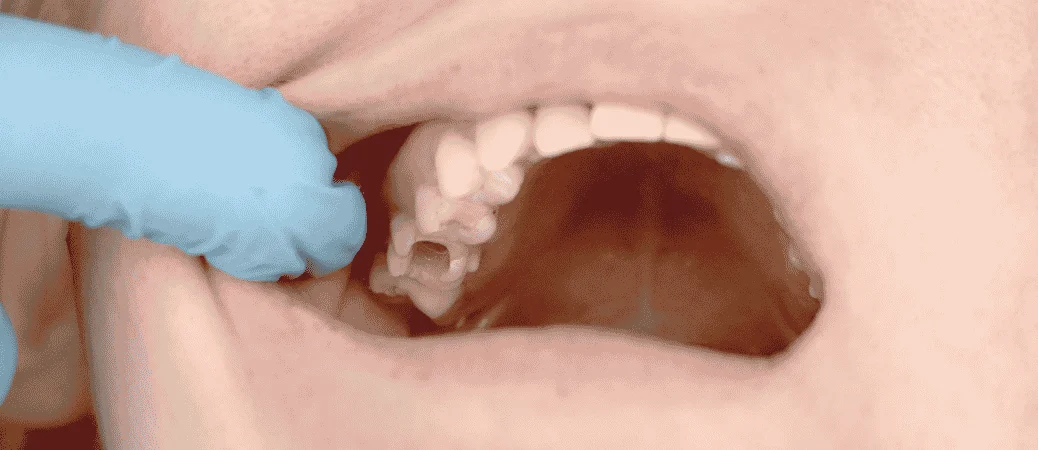
If you’re wondering what to do if a filling falls out while eating, start by protecting the exposed tooth and arranging a dental visit.
Biting down and realizing that a piece of your filling has come loose can be startling, but taking the right steps can help protect the tooth until it can be examined.
Your mind jumps to worst-case scenarios, but a filling falling out during a meal is a common dental problem, and it’s rarely a true emergency.
What matters most right now is protecting the exposed part of your tooth until a dentist can look at it.
A missing filling leaves a small area of your tooth open to bacteria, temperature changes, and food particles, which is why even a painless gap deserves prompt attention.
Tooth sensitivity without pain doesn’t mean the problem can wait indefinitely.
This guide walks through the practical steps to take right now, what to eat and avoid, and how to tell the difference between a lost filling that can wait a day or two and one that needs same-day care.
Key Takeaways
- Rinse gently, avoid chewing on the affected side, and call your dentist to schedule an assessment as soon as you can.
- Skip DIY glues and home repairs; safe temporary protection and good oral hygiene are enough until your appointment.
- Watch for swelling, fever, or spreading pain, since those signs call for urgent same-day dental care.
What to Do in the First Few Minutes
When a filling falls out, your first job is to stop chewing and figure out what happened before doing anything else.
A few calm, simple actions can protect the exposed tooth until your appointment, when your dentist can determine whether a new dental filling can restore the damaged area.
Stop Chewing and Retrieve the Filling if You Can
Set your fork down and stop eating on that side of your mouth right away. If the tooth filling fell out into your food or mouth, carefully spit it out rather than swallowing it.
Keep the piece in a small container or tissue if you find it. Bringing the old dental filling to your appointment can help your dentist see what material it was made of, though it usually can’t be reused.
Rinse the Area Gently With Warm Salt Water
A warm saltwater rinse clears away food debris and helps calm the area without irritating exposed tissue. Mix about half a teaspoon of salt into a cup of warm water and swish gently for 30 seconds.
This simple step also reduces bacteria sitting in the open space left by the missing filling. Avoid hot water, since exposed dentin can cause tooth sensitivity when it comes into contact with hot or cold temperatures.
Call Your Dentist and Explain Your Symptoms
Contact your dental office the same day the filling falls out, even if nothing hurts. Describe when it happened, whether you feel any tooth sensitivity, and if you still have the piece of the filling.
If you’re a patient at Parkside Dental Care, contact the office so the team can arrange a dental assessment and determine how soon the tooth should be examined.
How to Protect the Open Tooth Until Your Visit
Protecting an exposed tooth comes down to three things: watching what you eat, keeping the area clean without disturbing it, and resisting the urge to fix it yourself.
The goal is to prevent new decay, sharp pain, or a cracked tooth before your dentist can place a proper repair.
Which Foods and Drinks Should You Avoid?
Steer clear of foods that stress or irritate the exposed area. This keeps discomfort down and prevents pieces of the remaining tooth from chipping.
- Hard foods like nuts, ice, and hard candy that can crack the weakened tooth
- Sticky foods and sticky candy that pull at the exposed area or get stuck in the gap
- Crunchy foods such as chips or raw vegetables that press directly into the open space
- Acidic foods and sugary foods and drinks that irritate exposed dentin and feed bacteria
Soft foods like yogurt, mashed potatoes, and scrambled eggs are easier on the tooth. Chew on the opposite side of your mouth whenever you can.
Can a Temporary Filling Kit Help?
An over-the-counter temporary filling kit can offer short-term protection when a dental appointment is more than a day or two away.
These kits typically include a small amount of temporary filling material, similar to dental cement, that you press into the gap to cover the exposed dentin.
Dental wax is another option many people already have on hand, especially if they wear orthodontic appliances. It won’t restore the tooth’s function, but it can shield the area from food and air until your visit.
Use temporary filling kits only as directed on the packaging, and never as a substitute for real dental fillings. They’re a bridge to your appointment, not a fix.
How to Keep the Area Clean Without Causing Damage
Gentle oral hygiene matters more than ever with an exposed tooth. Brush with fluoride toothpaste as usual, but use a soft touch around the open area.
Floss carefully around the tooth to remove trapped food, sliding the floss out sideways instead of snapping it up through the gap.
Sugar-free gum can help freshen breath, but avoid chewing gum directly over the exposed spot.
What Not to Use as a Home Repair
Skip household glue, toothpaste patches, or anything not made for dental use. These substances can trap bacteria against the tooth, react poorly with tooth tissue, or make the eventual repair harder for your dentist.
Don’t try to glue the old filling back into place yourself. If the tooth has a rough or sharp edge, dental wax is a safer temporary cover than any adhesive from a hardware or craft store.
For more on protecting a tooth that’s chipped or cracked at the same time, see this guide on simple solutions for repairing cracked teeth.
When Do Pain and Swelling Need Urgent Care?
Sharp, worsening pain or facial swelling after a filling falls out may signal a dental emergency that needs prompt attention.
Most lost fillings cause mild sensitivity at most, so new or escalating symptoms are worth taking seriously.
Signs You Should Contact an Emergency Dentist Today
Call an emergency dentist if you notice any of the following:
- Throbbing tooth pain that doesn’t ease with over-the-counter pain medication
- Visible swelling in your face or gums, which can point to a dental abscess
- Fever along with tooth pain
- A bad taste or smell coming from the tooth
- Signs of nerve exposure, such as sharp pain triggered by air or touch
These symptoms suggest infection or nerve involvement that a temporary fix can’t manage.
Parkside Dental Care’s emergency dentistry team can evaluate whether you need urgent same-day treatment or a scheduled follow-up visit.
Safe Options for Short-Term Pain Relief
Over-the-counter pain relievers like ibuprofen or acetaminophen manage mild to moderate discomfort while you wait for your appointment.
An ice pack held against the outside of your cheek for 15 minutes at a time also helps with swelling and aching.
Clove oil, which contains a natural compound called eugenol, has long been used to numb tooth pain when dabbed carefully on the affected area.
A topical numbing agent like Orajel offers similar short-term relief for gums and exposed tooth surfaces.
What to Do if You Swallowed or Inhaled the Filling
If you think you swallowed a filling, contact your dentist or healthcare provider for guidance.
If you cough, choke, or have trouble breathing after the filling disappears, seek emergency medical attention because it may have entered the airway.
Why Fillings Fail and How Dentists Repair the Tooth
Fillings fail for a handful of predictable reasons, and knowing the cause helps set expectations for the repair.
New decay, teeth grinding, and simple wear and tear are the most common culprits behind a broken or lost filling.
What Causes a Filling to Loosen or Break?

New decay forming underneath or around the edges of a filling is one of the most frequent causes of failure.
Bruxism, or teeth grinding, puts repeated pressure on fillings that can crack or loosen them over time.
Other bad habits that affect oral health, such as chewing ice or hard objects, can also put unnecessary stress on restored teeth.
A chemical reaction between the filling material and saliva can weaken the bond to the tooth over years of use.
Dental fillings can wear down over time, and their lifespan varies based on the filling material, its size and location, your bite, oral hygiene, and habits such as teeth grinding.
Will You Need a Replacement Filling or a Larger Restoration?
A simple replacement filling is often enough if the tooth structure underneath is still solid. If decay has spread or the tooth has a tooth fracture, your dentist may recommend a larger dental restoration instead.
| Repair Option | Best For | Typical Scope |
| Replacement filling | Small, contained gap with healthy tooth structure | Fills the original cavity space |
| Inlay or onlay | Moderate damage that’s too large for a filling but doesn’t need a full crown | Covers part of the chewing surface |
| Dental crown | Extensive decay or a cracked tooth | Covers the entire visible tooth |
| Root canal treatment | Decay or damage reaching the tooth’s nerve or tooth root | Removes infected tissue inside the tooth |
Learn more about how dental crowns and other restorations compare when a filling alone isn’t enough.
What Happens During the Dental Assessment?
At Parkside Dental Care, Dr. David Loveless can examine the affected tooth and determine whether the lost filling has exposed decay, a crack, or deeper damage.
An X-ray may also be used when needed to evaluate areas that cannot be seen during the visual examination.
If the nerve is affected, your dentist may discuss root canal treatment as part of the plan. This step keeps the tooth rather than requiring extraction.
What Payment Options Are Available for Filling Replacement?
The cost of replacing a filling depends on the condition of the tooth and the treatment needed.
Ask Parkside Dental Care about available financing options and payment arrangements before treatment so you understand your options.
Prompt Repair Protects the Remaining Tooth
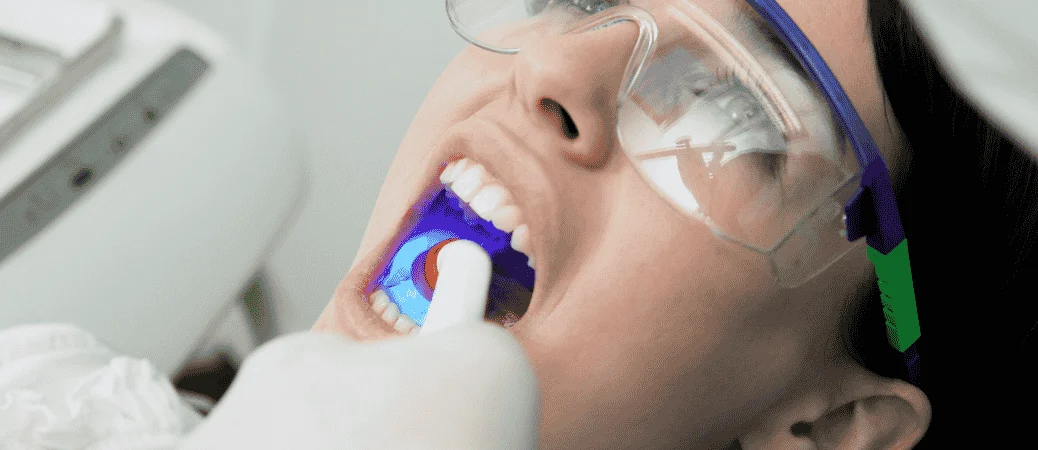
Getting a lost filling replaced quickly keeps a small problem from becoming a much bigger one.
Waiting too long allows bacteria and food debris to sit against exposed dentin, which raises the risk of new decay, a cracked tooth, or a root canal down the road.
Regular dental cleanings and exams can help identify worn, cracked, or weakening fillings before they fail.
Finding these problems during a routine visit may allow them to be addressed before you develop pain or lose the restoration.
Preventing fillings from falling out also means addressing habits that put extra stress on your teeth.
If you grind your teeth at night, an occlusal splint or night guard can absorb that pressure instead of your fillings taking the hit.
Simple daily habits help too: brushing with fluoride toothpaste, flossing gently around existing fillings, and avoiding hard or sticky foods when possible.
For more on keeping your smile protected long term.
Parkside Dental Care encourages patients to schedule an assessment as soon as a filling falls out, even without pain. Catching the issue early almost always means a simpler, less costly repair.
Frequently Asked Questions
How long can I wait after a filling falls out if I have no pain?
It’s best to see a dentist within a day or two, even without pain, since exposed dentin is more prone to new decay. Waiting longer raises the risk of a cracked tooth or infection that could require more extensive treatment.
What should I do if a filling falls out on the weekend?
Follow the same first steps: rinse gently with warm salt water, avoid chewing on that side, and protect the area with dental wax or a temporary filling kit if needed.
Call your dentist’s office first thing Monday morning, or contact an emergency dentist if you notice swelling or worsening pain before then.
Can I put a filling back in myself?
No, you shouldn’t try to place a permanent filling back into your tooth on your own.
A temporary filling kit or dental wax can offer short-term protection, but a proper replacement filling requires your dentist’s tools and materials to bond correctly.
What does it look and feel like when a filling falls out?
You may notice a rough edge, a small dip or hole in the tooth, or a piece of hard material in your food. Some people feel new tooth sensitivity to hot, cold, or sweet foods right away, while others notice no discomfort at all.
Why is my tooth black inside after the filling fell out?
Dark discoloration inside the tooth often points to old decay or staining from a previous amalgam filling. It can also signal deeper decay that needs treatment, so it’s worth having your dentist check it during your assessment.
Do I have to pay again if my filling falls out?
The cost of replacing a filling depends on the condition of the tooth and the type of restoration needed. Your dentist can examine the area and explain the treatment and associated costs before proceeding.