
A chipped front tooth has a way of showing up at the worst possible moment.
You run your tongue over it before a work presentation, catch the jagged edge in a selfie before a wedding, or notice it in the mirror the morning of a big interview, and suddenly every smile feels like a liability.
Here’s the reassuring part: Small front tooth chips limited to the enamel may be repaired with cosmetic bonding or carefully smoothed, depending on the extent and location of the damage.
Cosmetic dentistry offers several ways to restore the shape and appearance of a chipped front tooth, with the appropriate option depending on the extent of the damage.
That said, not every chip is the same. If you’re looking for chipped front tooth repair in Montgomery, AL, the right treatment depends on how deep the damage goes, whether the tooth hurts, and whether it feels loose.
A dental evaluation can help determine which repair is appropriate before your event.
Key Takeaways
- A small enamel-only chip may be suitable for smoothing or composite bonding, depending on the extent of the damage.
- Pain, looseness, or a pink tint inside the chip means the tooth needs an exam before any cosmetic work.
- Protecting the tooth with wax, soft foods, and a calm phone call to your dentist buys you time and options.
Which Cosmetic Fixes Can Be Done Before Your Event?
The right fix depends on how much of the tooth is missing, not how dramatic the chip looks in the mirror. A corner that snapped off cleanly from an enamel chip is a very different repair than a break that reaches deeper layers of tooth enamel.
Can a Tiny Chip Be Smoothed in One Visit?
Yes, a very small chip or rough edge may sometimes be carefully polished or reshaped when only a minimal amount of tooth structure is affected.
This is called enamel recontouring, and it works when there’s barely any tooth structure missing, just a sharp spot that catches your tongue or looks uneven under lights.
There’s no drilling, no numbing, and no added material since the dentist is simply reshaping what’s already there.
When Is Same-Day Bonding a Good Choice?
Composite bonding is a common treatment option for a chip that’s lost a visible piece of enamel but hasn’t reached the nerve.
A dentist applies tooth-colored resin directly to the chipped area, shapes it, and hardens it with a curing light.
For relatively minor chips, composite bonding may offer a conservative way to rebuild the missing portion of the tooth without placing a full restoration.
Composite bonding generally holds up well for 5 to 10 years with normal care, though it can pick up stains from coffee or wine over time more easily than natural enamel.
For an event next week, that durability is more than enough.
If you’ve had the same tooth bonded before, mention the previous repair during your appointment so the dentist can evaluate the remaining tooth structure and existing bonding material.
When Might a Veneer or Crown Be Worth Discussing?
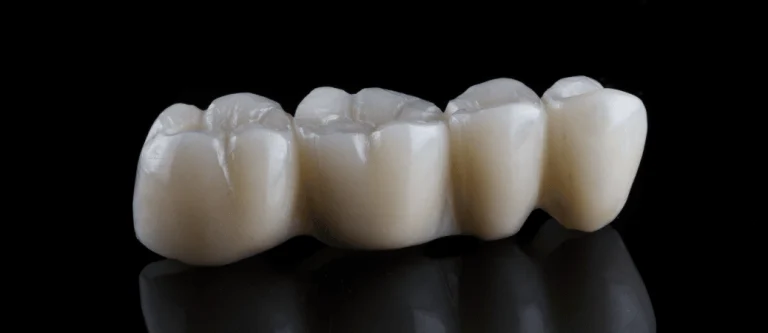
A porcelain veneer or dental crown becomes worth discussing when the chip is large, involves more than just the surface enamel, or sits alongside other cosmetic concerns like discoloration.
A porcelain veneer placed by an expert typically needs two visits, since the tooth has to be prepared and the veneer made to match.
A dental crown covers more of the tooth and comes into play when a larger piece has broken away or the remaining structure needs more protection.
Here’s how the three main options stack up:
| Option | Treatment Approach | May Be Considered For |
| Composite Bonding | Tooth-colored resin added to damaged area | Small to moderate chips |
| Porcelain Veneer | Thin restoration covering the front surface | Cosmetic damage involving the visible tooth surface |
| Dental Crown | Restoration covering more of the tooth | Larger fractures or weakened tooth structure |
If your event is only days away, tell your dentist about the timing when scheduling your evaluation.
The treatment timeline will depend on the type of repair needed and whether the restoration must be fabricated before placement.
What Should You Do Right After the Tooth Chips?
Stay calm and act in the first few minutes: rinse your mouth, find any broken piece, and call your dentist before you do anything else.
What happens in that first hour can affect how smooth your repair ends up being.
A chipped or broken front tooth may not always require emergency treatment, but it should still be evaluated. Rinse your mouth gently with warm water, and use a cold compress if swelling is present.
How Can You Protect the Tooth Until Your Appointment?
Cover any sharp edge with dental wax from a drugstore, and stick to soft foods until a dentist looks at it.
Chew on the opposite side of your mouth, skip very hot or very cold drinks if the tooth feels sensitive, and rinse gently with warm salt water to keep the area clean.
If you find the broken fragment, keep it protected and bring it to your appointment. Depending on the fracture, a dentist can determine whether the fragment can be used as part of the repair.
Which Symptoms Call for Urgent Dental Care?
Call for same-day care if the tooth hurts on its own, feels loose, or you see a pink or reddish spot in the center of the break. That pink tint usually means the nerve is exposed, and this changes the plan regardless of your event date.
Significant pain, bleeding that won’t settle, swelling, or a tooth that’s moved out of position are all signs of dental trauma that need prompt attention.
A broken front tooth paired with a fall or collision can also mean injury to the jaw, so don’t assume the tooth is the only thing worth checking.
How Does a Dentist Choose the Right Repair?
At Parkside Dental Care, Dr. David Loveless can evaluate how deeply the tooth is chipped, check for sensitivity or damage beneath the surface, and assess how the tooth fits into your bite before recommending a repair.
This exam matters more than how big the chip looks from the outside, since a small visible chip can still mean larger damage underneath.

Why Do Chip Depth, Sensitivity, and Bite Matter?
Teeth have layers, and the deeper a chip reaches, the more involved the fix becomes. A chip limited to enamel is usually the simplest to treat.
One that reaches dentin exposure often brings noticeable sensitivity to cold air or sweets, since exposed dentin is more reactive than the hard enamel shell around it.
Your bite also plays a role. A front tooth that already carries a large filling or takes extra pressure from grinding is a weaker candidate for a small bonding repair, since the same forces that caused one chip can cause another.
A dentist checks how your teeth meet before finalizing any plan, which is part of good restorative dentistry.
When Does Deeper Damage Need Treatment Before a Cosmetic Fix?
Sharp, spontaneous pain or visible pink inside the chip usually means the damage has reached the pulp, and that needs treatment before any cosmetic work happens.
This doesn’t automatically mean root canal treatment is required. It means the tooth needs an evaluation first so the dentist can see how the nerve and surrounding structure are doing.
If the damage reaches the pulp, root canal treatment may be considered before the tooth receives its final restoration.
The appropriate treatment depends on the condition of the pulp and the amount of healthy tooth structure remaining.
How Should You Plan Around Your Event Date?
Plan around what your dentist can realistically finish in one visit, and build in a backup for anything that needs more time.
Be upfront about your event date when scheduling so the dental team understands your timeline and can explain which treatment options may be appropriate.
What Can Realistically Be Finished in One Appointment?
A small to moderate chip limited to enamel may be suitable for smoothing or composite bonding. Larger chips, exposed dentin, or damage requiring a dental crown may involve a more extensive treatment process.
Larger chips, visible dentin, or a tooth that needs a veneer or crown typically mean more than one visit, since veneers and crowns involve taking an impression and waiting for a lab to build the final piece.
If your event lands between the prep visit and the final placement, ask about a temporary veneer or crown to wear in the meantime.
It won’t be the finished product, but it covers the gap and protects the tooth while you wait. This kind of staged approach comes up often in a broader smile makeover, where several cosmetic steps get sequenced around a patient’s schedule.
What Should You Ask About Shade Matching and Temporary Repairs?
Ask whether the exam and the repair can happen in the same visit, how the office handles shade matching for a single tooth next to natural teeth, and what a temporary repair would look and feel like.
Shade matching matters more for a front tooth than almost anywhere else in your mouth, since it sits in full view every time you talk or smile.
Treatment recommendations depend on the size and depth of the chip, the condition of the remaining tooth, and the type of dental restoration needed.
Ask the dental team what repair options are appropriate for your tooth and whether a temporary restoration may be useful if the final treatment requires additional time.
How Can You Keep the Repair Looking Good?
Protect a fresh repair by avoiding hard bites directly on the front teeth and keeping up with regular oral hygiene.
Bonding and veneers both hold up well under normal use, but a few habits make a real difference in the days around your event.
What Should You Avoid Biting Before and During the Event?
Skip biting into hard bread crusts, ice, or hard candy with your front teeth, since these are common causes of chips in the first place.
Cut cake, appetizers, and anything crusty into smaller pieces instead of biting directly into them.
Dark drinks like red wine and coffee can stain composite bonding gradually, so rinse with water after each glass if you’re drinking them on event day. This small habit keeps the color looking fresh through photos and toasts.
Could Grinding Mean You Need a Night Guard?
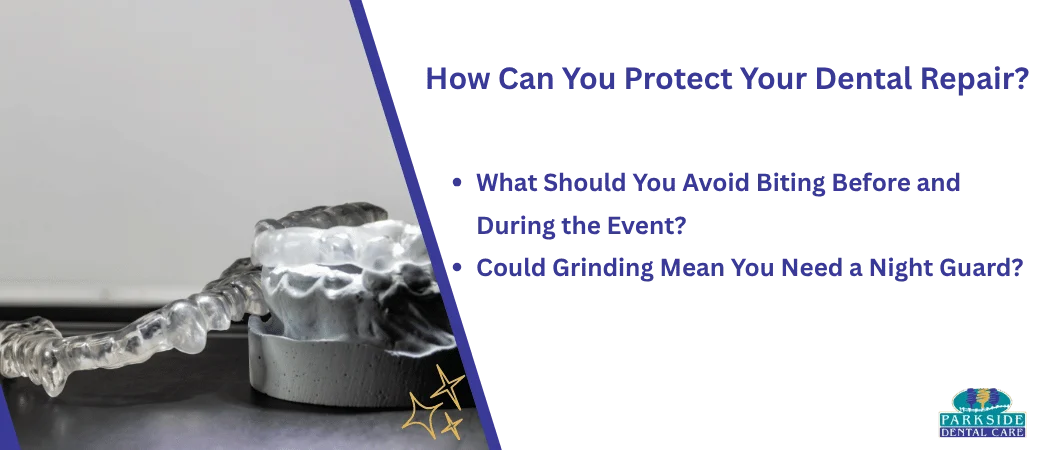
Teeth grinding, or bruxism, puts repeated pressure on a repaired tooth and raises the risk of another chip. If grinding played a role in the original injury, a night guard can protect the new repair while you sleep.
Mention any history of clenching or grinding to your dentist, since this changes how they plan the repair itself.
A bonding job on a tooth that grinds against its opposite number may need extra reinforcement, or your dentist might suggest a slightly different shape to reduce stress on the repaired edge.
Choose a Repair That Fits the Chip and the Calendar

A chipped front tooth before an event can feel urgent, but small chips may be suitable for composite bonding, while larger or deeper damage requires an evaluation to determine the appropriate treatment.
The chip’s depth, any sensitivity, and your bite all shape which repair makes sense. Mentioning your event date when scheduling helps the dental team understand your timeline.
Saving any broken fragment, covering sharp edges with wax, and sticking to soft foods protect the tooth while you wait.
Frequently Asked Questions
Can a tiny front tooth chip be fixed before an event?
Yes. A small chip limited to the enamel may be suitable for smoothing or composite bonding.
Contact your dentist as soon as possible and mention your event date so the dental team understands your timing when scheduling the evaluation.
Is a painless chipped front tooth safe to leave until after the event?
A chip with no pain is a better sign than one that hurts, but it still deserves a dental exam soon. Sharp edges can cut your tongue or cheek, and a chip left untreated can worsen with normal biting and chewing.
Can I put anything on a sharp chip before seeing a dentist?
Dental wax from a drugstore covers a sharp edge and protects your tongue and lips until your appointment. Never use household glue on a tooth, since it damages the surface and can make a proper repair harder later.
How can I disguise a chipped front tooth for photos?
There’s no safe home trick that truly hides a chip for photos, but dental wax smooths a sharp edge enough to reduce how noticeable it feels when you talk or smile.
A professional dental repair, such as composite bonding when appropriate, can restore the tooth’s shape and improve its appearance before an important event.
Does chipped front tooth repair require a crown?
Not always. Small chips may be suitable for bonding or minor reshaping, while larger fractures may require a veneer, crown, or another restorative treatment.
A dental exam can determine how much tooth structure remains and which option provides appropriate protection.
Is repairing a chipped front tooth considered cosmetic?
It can be both cosmetic and restorative, depending on how deep the chip goes. A small chip limited to enamel is mostly a cosmetic fix, while a chip reaching dentin or the nerve involves restorative care to protect the tooth’s health along with its appearance.