
Wisdom Teeth Removal: Procedure, Recovery, and Potential Complications
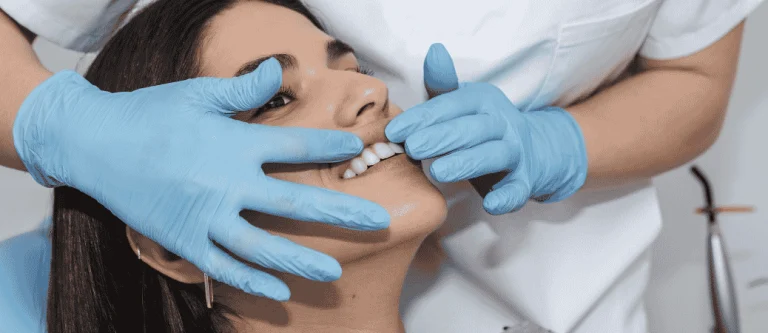
Wisdom teeth removal is one of the most common oral surgeries performed by dentists and oral surgeons in Montgomery, AL. These third molars, located at the back of your mouth, often cause issues when they don’t have enough space to grow properly. Whether it’s crowding, impaction, or infections, removing wisdom teeth can alleviate discomfort and protect your oral health. Let’s explore the procedure, what to expect during recovery, and the potential complications.
Why Are Wisdom Teeth Removed?
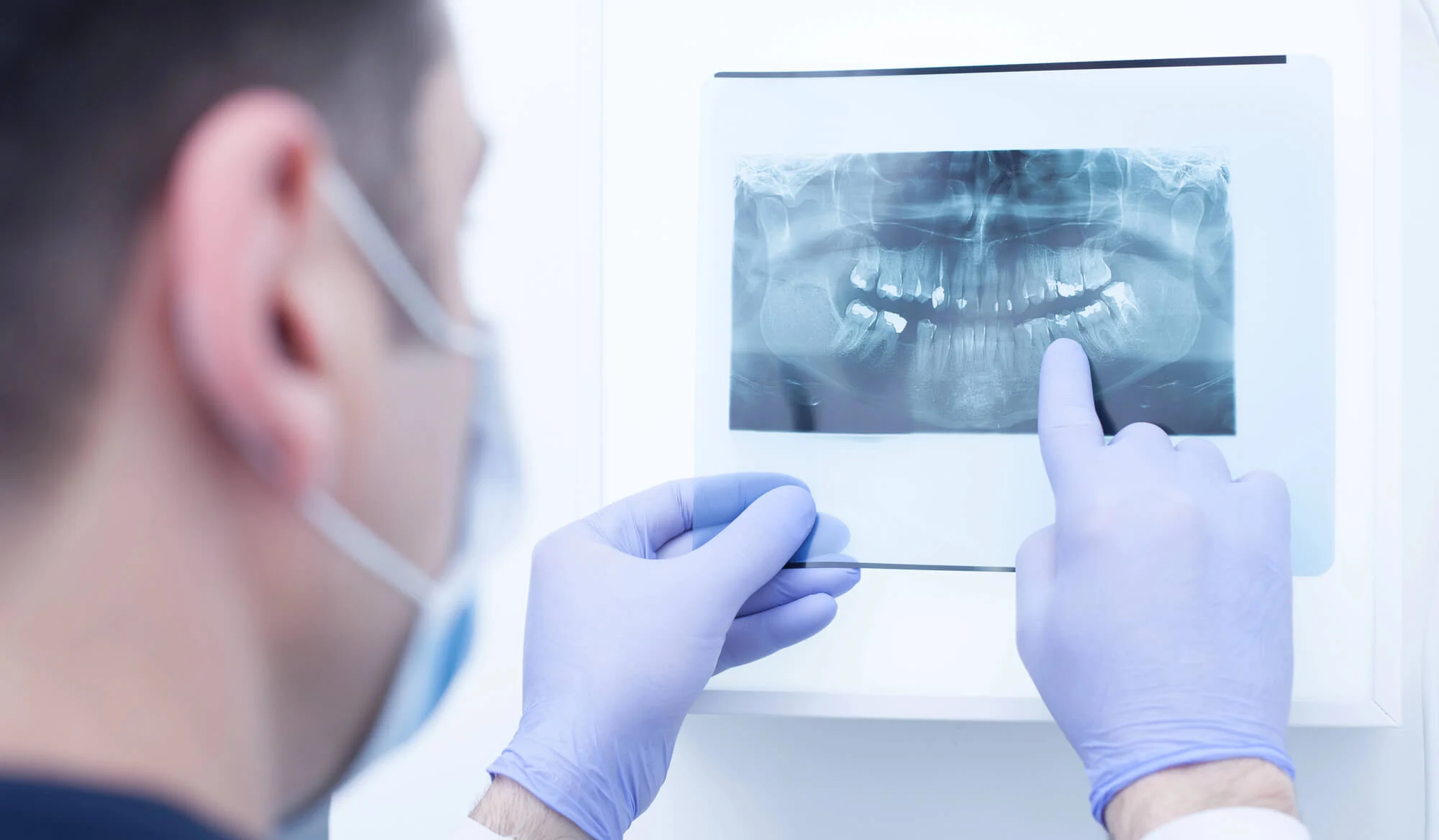
Wisdom teeth are often removed to prevent or address issues such as:
- Impaction: When wisdom teeth are trapped under the gums or jawbone, they can cause pain and infections.
- Crowding: If your jaw doesn’t have enough room, wisdom teeth can push other teeth out of alignment.
- Decay or Gum Disease: Wisdom teeth are harder to clean, making them more susceptible to cavities and gum infections.
Your oral surgeon will evaluate your specific situation to determine if removal is necessary.
The Wisdom Teeth Removal Procedure
Wisdom teeth removal is a common outpatient procedure performed to prevent or address complications caused by these third molars. Your oral surgeon will guide you through the process, which typically involves the following steps:
1. Preparation and Anesthesia
Before the procedure begins, your oral surgeon will ensure you’re comfortable by administering the appropriate type of anesthesia. Options may include:
- Local Anesthesia: Numbs the area around the wisdom teeth, keeping you fully awake but pain-free.
- Sedation Anesthesia: A sedative is administered intravenously to relax you, and local anesthesia is used to numb the area.
- General Anesthesia: For more complex cases or patient preference, you may be put into a sleep-like state where you won’t feel or remember the procedure.
Your oral surgeon will review your medical history and preferences to determine the best anesthesia option for you.
2. Incision and Removal
After administering anesthesia, the surgeon creates a small incision in the gum tissue to expose the wisdom tooth and surrounding bone. If the tooth is impacted, they carefully remove a portion of the bone to access it.
For fully erupted teeth, the removal process is usually straightforward. However, for impacted teeth, the surgeon may divide the tooth into smaller sections, simplifying extraction and minimizing disruption to the surrounding area.
3. Closing and Dressing
Once the tooth is removed, the oral surgeon cleans the area to remove debris and reduce the risk of infection. They may place dissolvable stitches, depending on the size of the incision, to help the site heal and stay protected. To control bleeding and encourage clot formation, the surgeon places a gauze pad over the extraction site.
How Long Does the Procedure Take?
The entire process typically takes about 45 minutes to an hour, though more complex cases may require additional time. Once completed, you’ll receive post-operative care instructions to promote healing and reduce the risk of complications.

What to Expect During Recovery
Recovery from wisdom teeth removal usually lasts a few days to a week, depending on the complexity of the procedure and your body’s healing process. Following proper aftercare is essential for a smooth recovery.
Managing Pain and Swelling
To reduce pain and swelling, your oral surgeon may recommend prescribed pain medications or over-the-counter options. Applying an ice pack to the affected area during the first 24 hours can help minimize swelling and provide relief.
Dietary Adjustments
Your diet will need some temporary changes after the procedure. Stick to soft foods like yogurt, applesauce, and soups for the first few days to avoid irritating the surgical site. Refrain from using straws, as the suction can dislodge the protective blood clot, potentially leading to a painful condition called dry socket.
Oral Hygiene
Maintaining oral hygiene is crucial but requires a gentle approach. Rinse your mouth with warm salt water to keep the area clean, but avoid brushing near the extraction site for the first 24 hours to prevent irritation. As the healing progresses, you can gradually return to your usual brushing routine while being cautious around the sensitive area.
Rest and Activity Levels
Rest is a key component of recovery. Take it easy during the first couple of days and avoid strenuous activities to minimize the risk of bleeding or discomfort. Gradually resume your normal routine as your body heals, but listen to your body and give yourself time to recover fully.
Potential Complications
While wisdom teeth removal is a routine procedure, some complications can arise. Being aware of these will help you know when to contact your dentist or oral surgeon.
- Dry Socket: This occurs when the blood clot protecting the extraction site is dislodged, exposing nerves and bone. It can cause severe pain and delay healing.
- Infection: Symptoms like fever, swelling, or pus may indicate an infection that needs prompt treatment.
- Nerve Damage: Rarely, the procedure can affect nearby nerves, leading to temporary numbness or tingling in the lips, tongue, or chin.
- Excessive Bleeding: If bleeding doesn’t stop after 24 hours, it’s essential to consult your oral surgeon.
Regular follow-ups with your dentist or oral surgeon ensure a smooth recovery and help address any concerns promptly.
Tips for a Smooth Recovery
Here are some additional tips to promote faster healing and prevent complications after your extraction:
- Sleep with your head elevated to minimize swelling.
- Use a cold compress for 20-minute intervals during the first 24 hours to reduce swelling.
- Avoid smoking, as it can interfere with healing.
- Stay hydrated, but avoid hot or carbonated drinks during the first few days.
- Avoid spitting forcefully; instead, let liquids gently fall from your mouth to protect the blood clot.
- Stick to lukewarm foods and drinks to prevent irritation and promote comfort.
- Prevent dry mouth by sipping water regularly and considering a humidifier at night.

Restore Your Comfort with the Help of an Oral Surgeon in Montgomery, AL
At Parkside Dental Care, our skilled team is dedicated to providing safe and comfortable wisdom teeth removal. Whether you’re experiencing discomfort or planning preventative extraction, we’re here to guide you through every step of the process. Contact us today to schedule your consultation with our experienced oral surgeons and enjoy a pain-free smile!