
Losing a tooth may seem minor at first. You may still chew and speak without much trouble. Over time, though, small changes can build up and affect your bite and overall oral health.
You can tell a missing tooth is starting to affect your bite when your teeth shift, your bite feels uneven, or you notice new jaw discomfort.
You might feel pressure on certain teeth, food may trap more often, or your teeth may not fit together the way they used to. These changes often happen slowly, so you may not notice them right away.
The effects can go beyond appearance so you cannot deny the importance of replacing the missing tooth.
Tooth loss can change how you chew, how your jaw moves, and how stable your other teeth feel. Knowing the early signs helps you act before bigger problems develop.
Key Takeaways
- A missing tooth can cause shifting teeth, uneven pressure, and jaw discomfort.
- Bite changes often happen slowly and may feel subtle at first.
- Early action helps protect your teeth, jaw, and long-term oral health.
Table of Content
- Early Warning Signs Your Bite Is Changing
- How Missing Teeth Lead to Bite Imbalance
- Bone and Jaw Changes After Tooth Loss
- Oral Health Risks Beyond the Bite
- Best Solutions to Restore and Protect Your Bite
- Frequently Asked Questions
Early Warning Signs Your Bite Is Changing
A missing tooth does more than leave a gap. It can slowly change how your teeth meet, how you chew, and how your jaw feels each day.
Shifting or Drifting Teeth
When you lose a tooth, the teeth next to the gap often start to move. They may tilt forward or drift into the empty space.
You might notice:
- Food gets stuck in places it did not before
- A small gap appears between teeth
- Your floss slides in too easily in one area
- Your bite feels slightly “off” when you close down
Even the tooth above or below the gap can move. It may grow longer because nothing stops it from drifting down or up.
This shifting teeth pattern can begin within months. Small movements can turn into clear bite problems if you wait too long.
Difficulty Chewing and Uneven Pressure
You may start to chew on one side without thinking about it. This habit can lower your chewing efficiency and put too much chewing pressure on certain teeth.
An uneven bite often causes:
- Soreness on one side of your jaw
- Faster wear on specific teeth
- A feeling that your teeth do not fit together smoothly
Chewing may also feel slower or awkward. Hard foods like nuts or raw vegetables may seem harder to break down.
When your bite shifts, your jaw muscles must work harder to line up your teeth. Over time, this strain can reduce jaw health and make daily meals less comfortable.
If you feel pressure in one area every time you chew, your bite is likely changing.
Jaw Pain and Discomfort
Jaw pain is one of the most common warning signs. You may feel soreness near your ears, tension in your cheeks, or stiffness when you wake up.
A missing tooth can change how your upper and lower teeth meet. This shift increases stress on the jaw joint, also called the temporomandibular joint.
You might notice:
- Clicking or popping sounds
- Headaches near your temples
- Pain when opening wide
- A tired feeling in your jaw at night
Changes in bite alignment can raise your risk of jaw pain and TMJ disorders from missing teeth.
Do not ignore mild discomfort. Early treatment often prevents long-term joint damage.
Changes in Speech or Everyday Function
Your teeth help shape certain sounds. When one is missing, air may escape differently as you speak.
You might lisp slightly or struggle with “s,” “f,” or “th” sounds. These changes can feel small, but you will notice them in daily conversation.
Everyday tasks can shift too. You may:
- Bite your cheek more often
- Feel your tongue pushing into the empty space
- Notice that your smile looks uneven in photos
Your mouth tries to adapt to the gap. These changes may seem minor at first, but they signal that your bite is no longer stable.
Pay attention to these daily signs. They often appear before major bite problems develop.
How Missing Teeth Lead to Bite Imbalance
When you lose a tooth, your mouth does not stay the same. Teeth move, pressure shifts, and your bite alignment can slowly change in ways you may not notice at first.
Tooth Shifting and Misaligned Bite
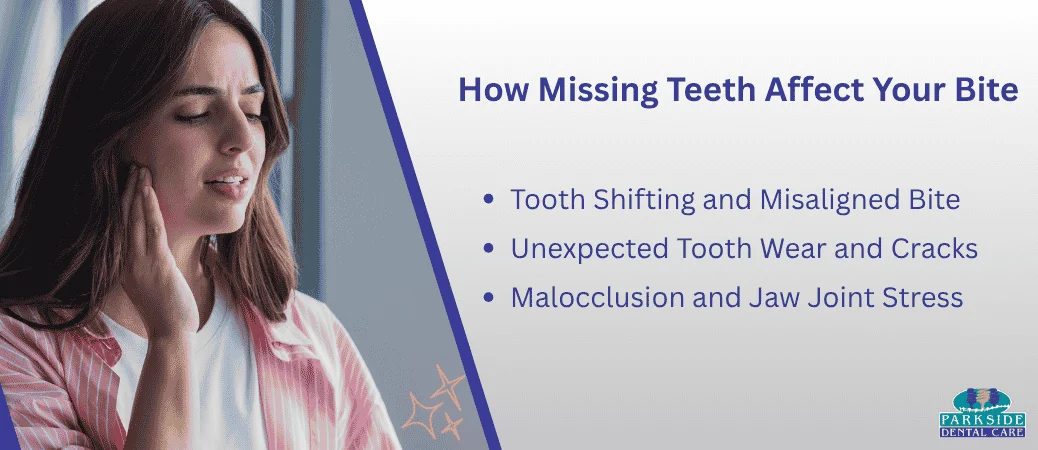
Your teeth rely on each other for support. When one tooth is gone, the nearby teeth often begin to move into that space. This tooth shifting can start within months.
Neighboring teeth may tilt or slide into the gap. The tooth above or below the space may also move downward or upward because it no longer has contact.
These small changes can lead to a misaligned bite. You may notice food gets stuck more often or that flossing feels harder.
Over time, this shifting creates bite imbalance. Some teeth take on more pressure than they should, which increases the risk of decay, gum problems, and even jawbone loss in the area of the missing tooth.
Unexpected Tooth Wear and Cracks
A balanced bite spreads chewing forces evenly. When you have missing teeth, that balance changes.
Nearby teeth can drift, and the opposing tooth may over-erupt. This creates uneven contact when you chew.
You may start to notice:
- Flattened or worn edges
- Damage in tooth enamel
- Tooth sensitivity when biting
- Discomfort on one side of your mouth
These are signs of bite changes. Extra force on certain teeth can weaken them over time.
If this continues, you increase your risk of fractures, loose fillings, or the need for crowns. What began as one missing tooth can slowly affect several others because of ongoing pressure imbalance.
Malocclusion and Jaw Joint Stress
When teeth shift and wear unevenly, your upper and lower teeth may no longer fit together properly. Dentists call this malocclusion.
A stable bite depends on even contact across your mouth.
You might feel:
- Clicking or popping in your jaw
- Trouble opening wide
- Jaw pain when chewing
- Frequent headaches
Over time, this stress can contribute to TMJ disorders and even chronic jaw pain.
When your bite alignment stays off for too long, your jaw muscles must work harder each day. That constant strain can make simple tasks like chewing or speaking feel uncomfortable.
Bone and Jaw Changes After Tooth Loss
When you lose a tooth, the changes do not stop at the gum line. Your jawbone begins to shrink, and that shift can slowly affect how your teeth fit together and how your face looks.
Bone Loss and Jawbone Shrinkage
Your tooth roots do more than hold teeth in place. They send pressure into your jawbone every time you chew.
When a tooth is missing, that pressure stops. Your body responds by breaking down the unused bone, a process called bone resorption. Over time, this leads to jawbone loss and visible jawbone shrinkage.
Bone loss after tooth loss often happens faster in the first few months. The area where the tooth once sat can lose width first, then height.
As the bone shrinks, nearby teeth may tilt or drift into the empty space. That movement can change how your upper and lower teeth meet, which may affect your bite.
Bone Resorption Timeline and Signs
Bone resorption follows a pattern. The biggest changes usually happen in the first two to six months after tooth loss.
You may not feel bone loss happening. It often has no pain. But you might notice:
- Nearby teeth shifting
- Food getting stuck more often
- A denture feeling loose
- A small dip forming in the gum
If you wait too long to replace a missing tooth, treatment may become more complex. Dentists may need bone grafting to rebuild lost bone before placing an implant. Acting early can help preserve jawbone and keep your bite more stable.
Impact on Facial Structure and Appearance
Your jawbone supports more than teeth. It also supports your lips and cheeks.
When jawbone loss continues, it can lead to changes in facial structure. You may notice a flatter smile, thinner lips, or a sunken facial appearance.
In more advanced cases, people develop sunken cheeks because the bone underneath no longer supports soft tissue.
Even one missing tooth can start this process in a small area. Multiple missing teeth can speed it up.
Replacing teeth with implants or other options helps restore pressure to the bone and may slow further shrinkage, which helps protect both your bite and your facial shape.
Oral Health Risks Beyond the Bite
When you lose a tooth, the changes do not stop with your bite. The open space can affect your gums, nearby teeth, and your daily oral hygiene habits in clear and lasting ways.
Higher Risk of Gum Disease and Tooth Decay
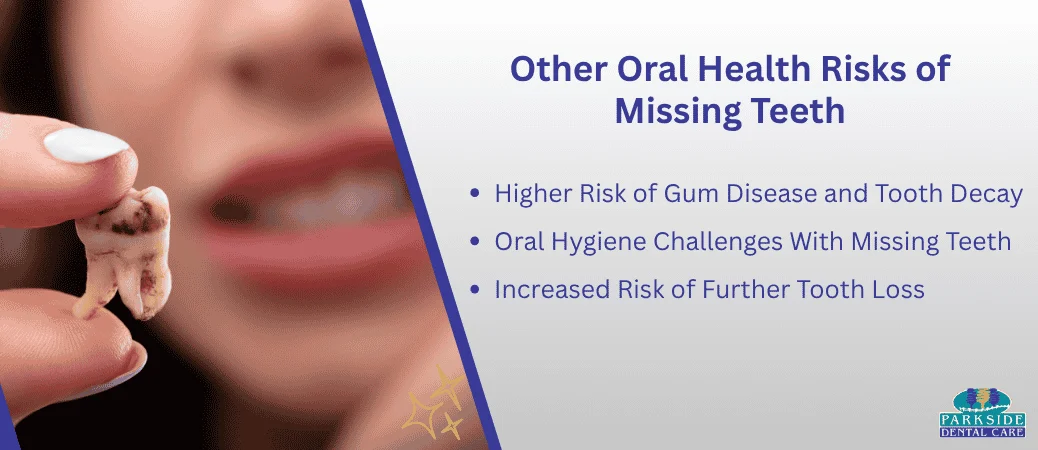
A missing tooth leaves a gap that can trap food and plaque. Bacteria collect along the gumline and around nearby teeth. This raises your risk of gum disease and tooth decay.
When teeth shift into the open space, they often become harder to clean. Crowded or tilted teeth create tight areas where your toothbrush and floss may not reach well. Plaque builds up faster in these spots.
If you already have crowns, partial dentures, or full dentures, the risk can increase if they do not fit well. Poor fit can irritate your gums and allow bacteria to gather under edges or clasps.
Regular dental exams help your dentist spot early signs of swollen gums, bleeding, or weak enamel before they turn into bigger problems.
Oral Hygiene Challenges With Missing Teeth
You may notice that brushing feels different after tooth loss. The empty space changes how your brush moves across your teeth and gums.
Food can pack into the gap during meals. If you do not clean the area well, plaque can harden into tartar. Tartar cannot be removed at home and needs professional cleaning.
If you wear partial dentures or full dentures, you must clean both the appliance and your gums every day. Skipping this step can lead to sore spots, bad breath, and infection.
Clear daily habits matter:
- Brush twice a day with fluoride toothpaste
- Floss around each tooth and along the gumline
- Clean under and around crowns and dental work
- Remove and clean dentures as directed
Good oral hygiene lowers your risk of long-term damage.
Increased Risk of Further Tooth Loss
One missing tooth can put extra pressure on nearby teeth. They may tilt, loosen, or wear down faster because they carry more force when you chew.
Bone in the jaw also shrinks when it no longer supports a tooth. Bone loss can weaken support for nearby teeth. Weaker support can lead to mobility and, in some cases, more tooth loss.
Gum disease adds to this risk. Infected gums pull away from teeth and damage the bone underneath. Without treatment, teeth can become loose and may need removal.
Staying consistent with dental checkups and replacing missing teeth with options like crowns, implants, partial dentures, or full dentures helps protect the rest of your smile.
Best Solutions to Restore and Protect Your Bite
You can stop bite changes by replacing the missing tooth before nearby teeth shift or bone shrinks. The right treatment helps you chew evenly, keeps your jaw stable, and prevents long‑term damage.
Dental Implants and Long-Term Stability
A dental implant replaces a missing tooth root with a small titanium post placed in your jaw. Your dentist attaches a crown on top, which looks and works like a natural tooth.
Because the implant sits in the bone, it helps prevent bone loss after tooth loss. This matters since bone can shrink within months, which may change how your teeth meet.
Dental implants do not rely on nearby teeth for support. That means your healthy teeth stay untouched.
When placed correctly, dental implants can be a game changer for tooth replacement options as they last many years with daily brushing, flossing, and routine checkups.
If you want a fixed option that feels close to your natural bite, this is often the most stable form of tooth replacement.
Dental Bridges and Partial Dentures
A dental bridge fills the gap by anchoring to the teeth on each side of the space. Your dentist shapes those teeth and places crowns that hold the false tooth in between.
Dental bridges restore chewing strength and help keep nearby teeth from drifting. They work well if the teeth next to the gap already need crowns.
Partial dentures offer a removable option. They clip onto surrounding teeth and can replace one or several missing teeth. Full dentures replace all teeth in an arch if needed.
These dental restorations cost less upfront than implants, but they may not stop bone shrinkage under the missing tooth.
If you want to replace a missing tooth quickly and avoid surgery, a bridge or partial denture can still protect your bite from further shifting.
Bone Grafts and Prevention Strategies
If bone loss has already started, you may need a bone graft before placing a dental implant. A graft adds bone material to thin or weak areas of your jaw.
This step builds a stable base for future tooth replacement. Without enough bone, an implant may not stay secure.
You can also act early. Placing a graft at the time of extraction helps preserve the ridge shape. Dentists often call this socket preservation.
Early action makes later treatment simpler. Waiting too long can lead to more complex procedures.
Maintaining Long-Term Oral Health
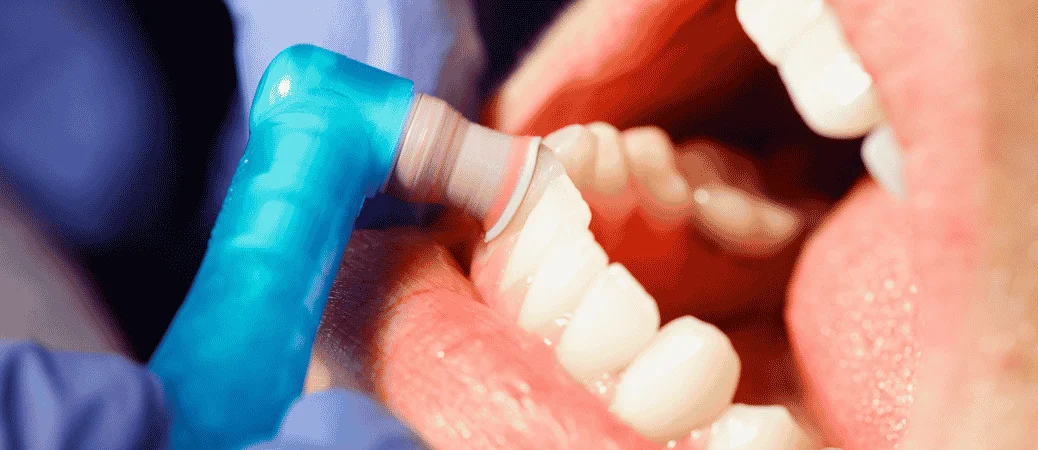
After you replace missing teeth, you must protect your bite every day. Brush twice daily and floss around dental implants, dental bridges, or partial dentures to control plaque.
Schedule exams and cleanings at least twice a year. Your dentist checks your bite, looks for early wear, and adjusts restorations if needed.
Pay attention to small changes. If your bite feels uneven, tight, or sore, seek care early.
When you act early and keep up with care, you protect your bite, support your jaw, and restore your smile with confidence.
Frequently Asked Questions
A missing tooth can change how your teeth meet, how you chew, and how your jaw feels. You may notice small shifts, uneven pressure, or new jaw tension before you see visible changes.
What are the first signs that a missing tooth is changing the way my teeth fit together?
You may feel that your teeth no longer touch evenly when you bite down. One area may hit first, or certain teeth may feel more pressure than others.
Food may also trap more often in the empty space. You might notice mild soreness around nearby teeth as they start to move.
Small gaps, slight tilting, or a change in how your floss fits between teeth can also signal early shifting.
Why does my bite feel uneven or “off” after losing a tooth?
Each tooth helps balance biting force across your mouth. When one tooth is gone, that balance changes right away.
Your remaining teeth take on more pressure. This uneven force can make your bite feel tilted or unstable, especially when you chew.
You may also notice that your upper and lower teeth do not line up the way they used to.
Can a missing tooth cause my other teeth to shift or tilt over time?
Yes. Teeth rely on each other for support.
When a gap stays open, nearby teeth can drift or lean into that space. This movement can slowly change your alignment and create new spacing problems.
Teeth naturally shift into empty areas, which can disrupt your bite and lead to crowding or tilting.
Is it normal to start chewing more on one side after a tooth is gone, and what problems can that cause?
Yes, many people avoid chewing on the side with the missing tooth. This habit often starts without you thinking about it.
Over time, chewing on one side can wear down those teeth faster. It can also strain your jaw muscles and make your bite less stable.
Uneven pressure may lead to cracked teeth or muscle soreness if it continues for months or years.
Could a missing tooth be contributing to jaw pain, clicking, or headaches?
It can. When your bite shifts, your jaw joints may not move as smoothly as before.
Extra strain on the jaw can cause tight muscles, clicking sounds, or mild pain near your ears. Some people also report tension headaches.
Changes in bite alignment can affect how your upper and lower teeth fit together and may increase stress on the jaw joint.
How long can it take before a missing tooth starts affecting my bite and jaw alignment?
Changes can begin within weeks, but you may not notice them right away. Teeth often shift slowly.
In some cases, you may feel fine for months or even years. That does not mean your bite stays the same.
As teeth move, bone levels change, and chewing patterns adjust, the risk of added dental problems increases over time.