

If you have chipped, cracked, discolored, or uneven teeth, dental bonding may be a simple solution to improve your smile. A dentist in Montgomery, AL can use tooth-colored composite resin to repair minor cosmetic imperfections and restore a natural-looking appearance. The procedure is typically completed in a single visit, requires little to no preparation, and provides immediate results.
Understanding the dental bonding process can help you feel more comfortable and confident when considering this popular cosmetic treatment.
Table of Content
- Understanding Dental Bonding
- Preparing for Your Dental Bonding Appointment
- The Dental Bonding Procedure Step by Step
- Benefits of Dental Bonding
- How to Care for Bonded Teeth
- How Long Does Dental Bonding Last?
- Schedule Your Visit with a Dentist in Montgomery for Professional Dental Bonding Services
Understanding Dental Bonding
What Is Dental Bonding?
Dental bonding is a cosmetic dental procedure that uses a durable composite resin material to improve the appearance of teeth. The resin is carefully matched to your natural tooth shade, allowing it to blend seamlessly with your smile.
Because the procedure is minimally invasive, it often requires little removal of natural tooth structure. This makes it an attractive option for patients seeking cosmetic improvements without extensive dental work.
What Issues Can Dental Bonding Address?
Dental bonding is a versatile treatment that can correct several cosmetic concerns, including:
- Chipped or cracked teeth
- Small gaps between teeth
- Minor tooth discoloration
- Uneven tooth edges
- Slightly misshapen teeth
- Exposed tooth roots caused by gum recession
For many patients, bonding offers an affordable and efficient way to achieve noticeable smile improvements.

Preparing for Your Dental Bonding Appointment
Initial Consultation and Evaluation
Before beginning treatment, your dentist will examine your teeth and discuss your smile goals. This evaluation helps determine whether dental bonding is the best option for your specific needs.
During the consultation, your dentist may review your dental history, assess your oral health, and explain what results you can realistically expect from the procedure.
Choosing the Right Shade
One of the most important parts of the process is selecting a composite resin shade that closely matches your natural teeth.
The goal is to ensure the bonded area blends naturally with the surrounding teeth, making the restoration virtually invisible.
The Dental Bonding Procedure Step by Step
Preparing the Tooth Surface
Unlike some cosmetic procedures, dental bonding usually requires very little preparation. In many cases, anesthesia is not necessary unless the bonding is being used to fill a cavity or repair significant damage.
The dentist begins by lightly roughening the tooth surface. A conditioning liquid is then applied to help the bonding material adhere securely to the tooth.
Applying the Composite Resin
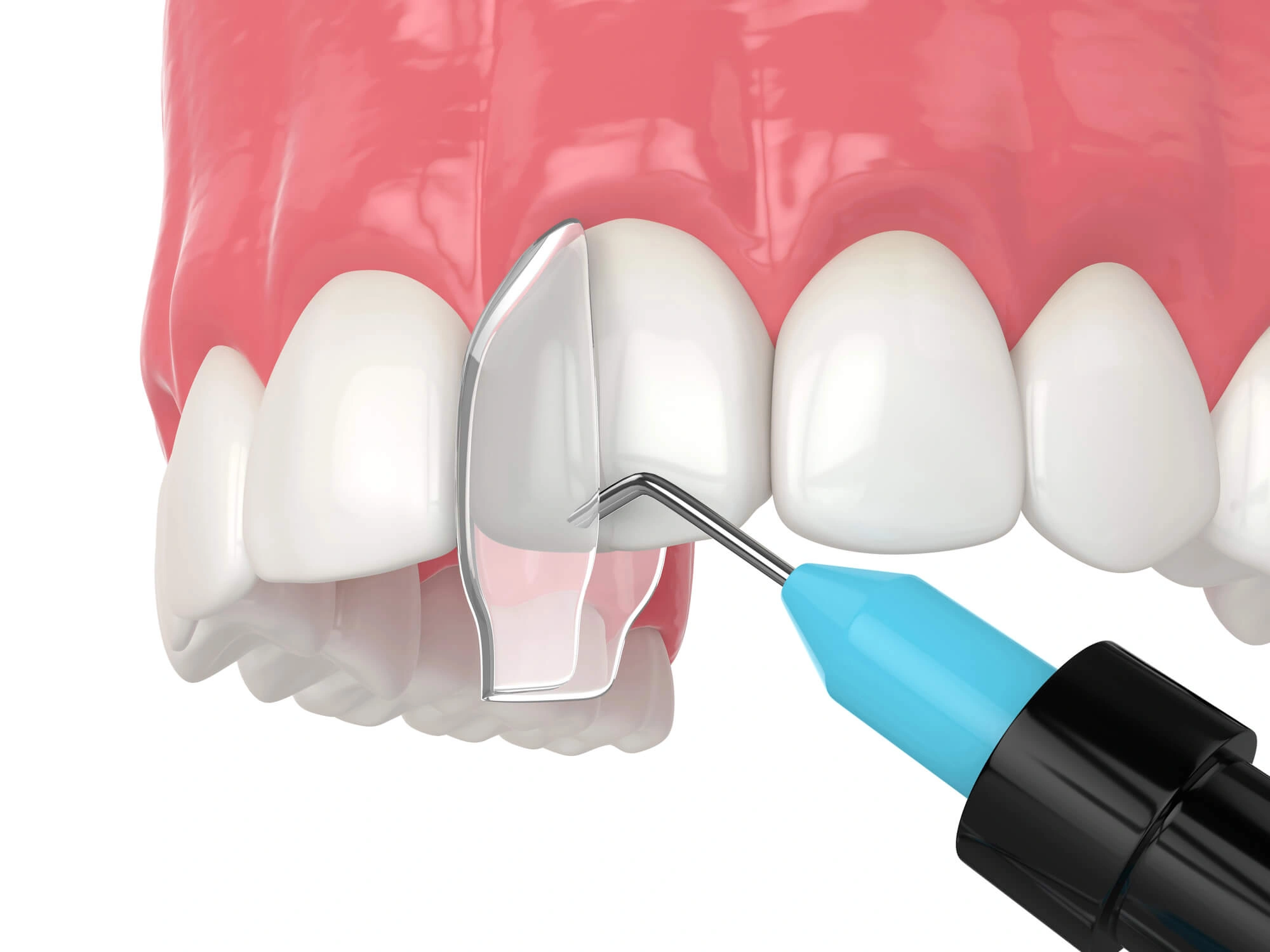
Once the tooth is prepared, the composite resin is applied directly to the surface. The material has a putty-like consistency, allowing the dentist to carefully sculpt and shape it.
The dentist works meticulously to ensure the resin blends naturally with the tooth while achieving the desired appearance and function.
Hardening the Material
After the resin is shaped, a special curing light hardens the material. This process usually takes only a few seconds.
The light activates the bonding material, transforming it into a strong and durable restoration that can withstand normal daily use.
Final Shaping and Polishing
Once the resin has hardened, the dentist makes final adjustments to refine the shape and ensure a comfortable bite.
The bonded tooth is then polished until it closely matches the shine and texture of the surrounding natural teeth. At this stage, the treatment is complete, and the results are immediately visible.
Benefits of Dental Bonding
Fast and Convenient Treatment
One of the biggest advantages of dental bonding is its speed. Many treatments can be completed in a single appointment, making it ideal for busy patients.
Unlike some cosmetic procedures that require multiple visits, bonding often provides immediate improvements.
Natural-Looking Results
Modern composite materials are designed to closely mimic natural tooth enamel. When performed by an experienced dentist, bonded teeth look highly natural and blend seamlessly with the rest of the smile.
This allows patients to enjoy cosmetic enhancements without drawing attention to dental work.
Conservative Approach
Dental bonding preserves much of the natural tooth structure because minimal alteration is required. This conservative approach appeals to patients who want cosmetic improvements without extensive treatment.
How to Care for Bonded Teeth
Maintaining Your Results
Although bonding material is durable, proper care is essential for long-lasting results. Good oral hygiene habits help protect both the bonded area and your natural teeth. Patients should brush twice daily, floss regularly, and maintain routine dental visits.
In addition to daily oral care, it is important to be mindful of foods and beverages that may stain over time. While composite resin is resistant to many common forms of wear, it can become discolored when frequently exposed to coffee, tea, red wine, or tobacco products. Using a straw for certain beverages and rinsing your mouth with water afterward can help minimize staining. Regular professional cleanings also help maintain the appearance of bonded teeth and allow your dentist to monitor the condition of the restoration. Consistent care can help keep your smile looking healthy and attractive for years.
Habits to Avoid
To extend the life of dental bonding, avoid habits that can damage the resin.
Examples include:
- Biting fingernails
- Chewing on ice
- Using teeth to open packages
- Excessive consumption of staining foods and beverages
- Grinding or clenching teeth without protection
Making small lifestyle adjustments can significantly improve the longevity of bonded restorations.
How Long Does Dental Bonding Last?
Expected Lifespan
The lifespan of dental bonding varies depending on the location of the restoration, oral habits, and overall dental care. In many cases, bonding can last several years before needing touch-ups or replacement.
Regular dental examinations allow your dentist to monitor the condition of bonded teeth and address any concerns early.
When Replacement May Be Needed
Over time, bonding material may wear, stain, or experience minor chipping. Fortunately, repairs are often straightforward and can be completed with minimal treatment.
Many patients continue to enjoy attractive results for years with proper maintenance.

Schedule Your Visit with a Dentist in Montgomery for Professional Dental Bonding Services
Dental bonding is a simple, effective, and minimally invasive way to improve the appearance of chipped, discolored, uneven, or damaged teeth. With immediate results, natural aesthetics, and a conservative treatment approach, it remains one of the most popular cosmetic dentistry options available.
Parkside Dental Care provides personalized cosmetic dental treatments to help patients achieve confident, beautiful smiles. Whether you are looking to repair minor imperfections or enhance your overall appearance, their experienced team can help you determine if dental bonding is the right solution for your needs. Schedule your appointment today.

