

You love your morning coffee and your evening glass of wine, but you have noticed your smile is not as bright as it used to be.
Coffee stains, tea stains, and wine stains build up on your teeth over time, and they can be frustrating to deal with.
The good news is that professional whitening treatments work well for many types of coffee and wine stains, but not every stain responds the same way.
Teeth whitening for coffee stains will work for you depending on how deep the stain goes and what caused it in the first place.
Stains that sit on the surface of your teeth are usually easier to lift than stains that have soaked deep into the enamel.
Your stained teeth might need a stronger treatment, or you may need to try a different approach altogether depending on how long the stains have been there and how dark they are.
This post walks you through why dark drinks leave marks on your teeth, how to tell what kind of stain you are dealing with, and when whitening can actually get you back to a brighter smile.
You will also learn when whitening alone will not cut it and what you can do to keep new stains from forming after your treatment.
Key Takeaways
- Dark drinks like coffee, tea, and wine can cause surface stains and deeper discoloration on your teeth.
- Whitening treatments tend to work best on stains that have not fully set into the enamel.
- Protecting your smile after whitening means cutting back on staining drinks or rinsing your mouth soon after drinking them.
Table of Content
- Why Dark Drinks Leave Their Mark
- Identifying the Type and Depth of Discoloration
- When Teeth Whitening Can Deliver Noticeable Results
- When Whitening Alone Is Not the Right Solution
- Protecting Your Results From New Stains
- Frequently Asked Questions
Why Dark Drinks Leave Their Mark
Dark drinks stain your teeth because of a mix of pigments, acid, and everyday behaviors. Certain bad habits that affect oral health, such as sipping drinks slowly, can increase how long your teeth are exposed to them.
Once you understand what causes the stains, you can make small changes to protect your smile.
Chromogens, Tannins, and Tooth Enamel
Your tooth enamel is not perfectly smooth. It has tiny pores that can trap color from what you eat and drink.
Two things cause most of the trouble: chromogens and tannins. Chromogens are strong pigments that stick to your enamel. Tannins are compounds found in coffee and tea that make it easier for those pigments to grab on.
When chromogens and tannins team up, they create surface stains. These stains sit on top of your enamel at first. Over time, if you don’t clean them off, they can build up and become harder to remove.
How Acidity and Frequent Sipping Increase Staining
Acid plays a big role in staining, too. Acidic drinks can soften your enamel just enough to let color sink in more easily.
Sipping slowly makes this worse. If you drink coffee or soda over a long period, your teeth spend more time in contact with acid and pigment. This gives stains more time to set in.
Plaque can add to the problem. It creates a rough layer on your teeth that makes it easier for stains to stick around.
To prevent stains and decay, you must brush and rinse after having drinks to limit how much plaque and pigment build up.
Why Red Wine, White Wine, Soda, and Berries Matter
Not all drinks stain your teeth the same way. Here’s how some common ones compare:
- Red wine: High in tannins and dark pigment, making it one of the most likely drinks to cause noticeable stains.
- White wine: Lower in color, but its acidity can soften enamel and make it easier for other foods or drinks to stain your teeth afterward.
- Soda: Often acidic and sometimes artificially colored, which can lead to both enamel wear and surface stains.
- Berries: Naturally deep in color, so they can leave marks similar to coffee stains if left on your teeth for too long.
Knowing how each drink affects your teeth can help you decide when to rinse, brush, or simply enjoy your drink with a bit more care.
Identifying the Type and Depth of Discoloration
Before you decide how to treat stained teeth, it helps to know what kind of discoloration you’re dealing with.
Some stains sit on the surface and respond well to whitening, while others go deeper and need a different approach.

Extrinsic Stains on the Tooth Surface
Extrinsic stains are the most common type you’ll notice, and they form on the outer layer of your enamel. Coffee, tea, and red wine all contain compounds that stick to this surface over time.
These are considered surface stains because they don’t penetrate into the tooth itself. You might notice them as yellow or brown discoloration, especially near the gum line or between teeth.
The good news is that extrinsic stains usually respond well to regular brushing, professional cleanings, and whitening treatments. Catching them early makes removal much easier.
Intrinsic Stains Within Natural Tooth Structure
Intrinsic stains are a different story. These form inside your natural tooth structure, below the enamel, so they can’t be brushed or wiped away.
Causes include things like too much fluoride as a child, certain medications, or an injury to the tooth. Aging also plays a role, since enamel naturally thins and reveals the darker dentin underneath.
Because intrinsic stains sit deeper in the tooth, whitening toothpaste or over-the-counter kits often won’t fix them. You’ll usually need professional whitening treatment to see real improvement.
When a Dentist Should Evaluate Tooth Discoloration
If your teeth look discolored and home whitening isn’t helping, it’s a good idea to have them evaluated.
Dr. David Loveless at Parkside Dental Care is an experienced dentist who can determine whether you’re dealing with extrinsic stains, intrinsic stains, or a mix of both.
He can also check your overall oral health, since some discoloration can point to issues like enamel damage or tooth decay. This helps rule out underlying dental problems before you choose a whitening treatment.
Getting a proper diagnosis means you won’t waste time or money on treatments that may not work for your type of discoloration.
Your dentist can recommend the right whitening option based on the exact cause of your tooth discoloration.
When Teeth Whitening Can Deliver Noticeable Results
Whitening works by using a chemical process to break apart the color molecules trapped in your enamel. How well it works depends on the strength of the product and how your stains formed in the first place.
How Whitening Agents Break Down Stain Molecules
Most teeth whitening products use peroxide as the main whitening agent. This includes either hydrogen peroxide or carbamide peroxide.
These agents work through a process called oxidation. The peroxide gets into your enamel and breaks apart the pigment molecules that cause staining. Once those molecules break down, your teeth look brighter and lighter.
This process works best on stains sitting on the surface of your teeth. Coffee, tea, and wine tend to cause this type of stain.
Deeper stains, like ones caused by certain medications, don’t respond as well because the peroxide has a harder time reaching them.
Professional Whitening Compared With Whitening Strips
You have two main paths when you want whiter teeth: professional whitening or over-the-counter options like whitening strips.
Before getting your teeth whitening treatment, it helps to understand what to expect and which option may suit your needs. You can also explore easy ways to improve your smile as part of your overall cosmetic dental care.
Here’s how they compare:
- Professional teeth whitening: Uses stronger peroxide concentrations, applied by a cosmetic dentist. You often see results after one visit.
- Whitening strips: Use lower peroxide levels you apply yourself at home. You’ll need several weeks of daily use to see a real difference.
- Whitening toothpaste: Works only on light surface stains. It uses mild abrasives instead of peroxide, so it won’t lighten your natural tooth color.
If you drink a lot of coffee, tea, or wine, professional treatment usually gives you faster, more noticeable results.
In-Office Whitening and Custom Take-Home Options
Your cosmetic dentist can offer two types of professional whitening treatments.
In-office whitening happens in a single visit. Your dentist applies a strong whitening gel and may use a special light to speed up the process. You’ll often walk out with visibly whiter teeth the same day.
Custom take-home kits work a bit differently. Your dentist makes trays that fit your teeth exactly. You then wear these trays with whitening gel at home over one to two weeks.
Both professional whitening treatments tend to work better than store-bought products.
This is because your dentist can use stronger ingredients safely and adjust your treatment plan to fit your specific staining pattern, whether it comes from coffee, tea, or wine.
When Whitening Alone Is Not the Right Solution
Sometimes whitening just does not get you the results you want. This can happen if you have dental work in your smile or stains that sit deep inside your teeth.
Why Crowns, Fillings, and Veneers Do Not Whiten
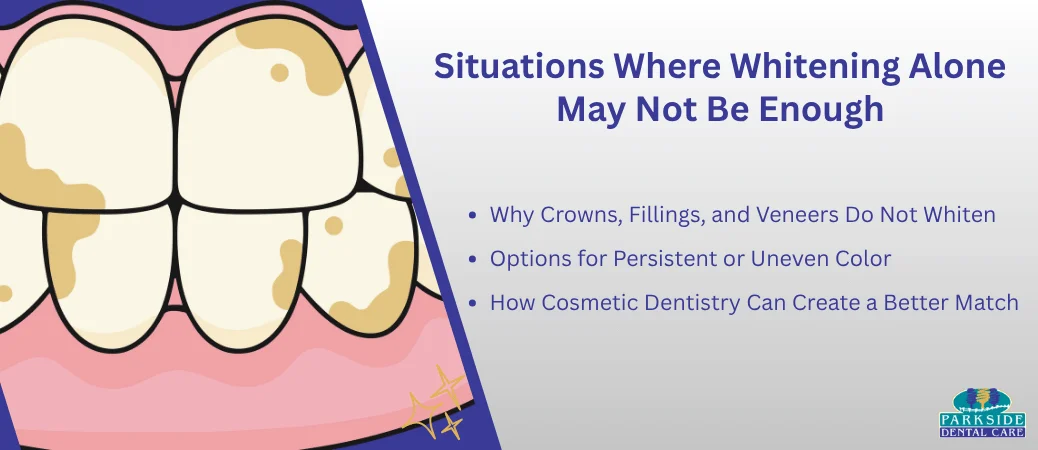
If you have crowns, fillings, or veneers, whitening gel will not change their color at all. These materials are made to resist stains, so bleach has nothing to work on.
This creates a problem if you whiten around them. Your natural teeth may get brighter while your dental work stays the same shade. This can leave you with an uneven smile where the crown or filling suddenly stands out.
Old fillings can be even trickier. Over the years, they may have darkened or changed color slightly, making the mismatch even more obvious after whitening.
Your natural tooth structure responds to bleach, but manmade materials simply do not.
Options for Persistent or Uneven Color
Some stains do not respond to whitening no matter how many rounds you try. These are often called intrinsic stains, and they sit below the enamel surface instead of on top of it.
Intrinsic stains can come from certain medications, too much fluoride as a kid, or injuries to a tooth. Whitening gel cannot reach deep enough to break these up.
If this sounds like your situation, you have other choices. Dental bonding can cover the discoloration with tooth colored resin.
Veneers can also mask stains you are not able to whiten away. Your dentist can look at your teeth and tell you which option fits your needs.
How Cosmetic Dentistry Can Create a Better Match
A cosmetic dentist can help you get a smile makeover when whitening alone does not do the job. They look at your whole mouth, not just one tooth, to plan the best fix.
If you have a crown or filling that stands out, your dentist might suggest replacing it. New dental work can be shade matched to your newly whitened teeth. This keeps everything looking consistent.
For deeper stains, cosmetic dentistry offers layered solutions. You might combine whitening with bonding or veneers to even out your color.
This way, you get a smile that looks natural and blends together, instead of one bright spot next to duller teeth.
Protecting Your Results From New Stains
Your teeth are more open to stains right after whitening, so a few simple habits can help you keep your bright smile. Small changes to your routine, like when you drink and how you clean your teeth, make a big difference.
Brushing, Flossing, and Routine Dental Cleanings
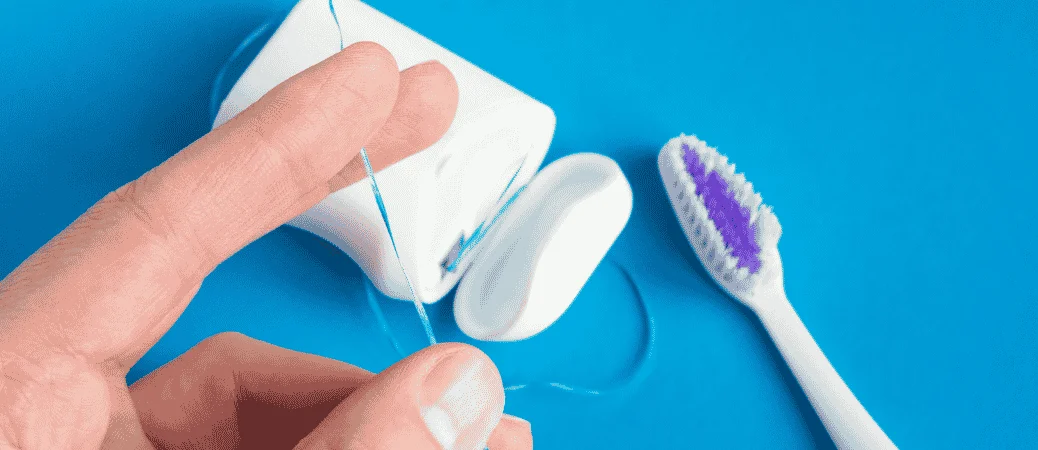
Good oral hygiene is your best defense against new stains. Brush your teeth twice a day and floss once a day to remove plaque before it builds up and traps stains on your enamel.
Flossing gets rid of food bits between your teeth that brushing alone can miss. This helps stop stains from forming in spots you can’t easily see.
You should also keep up with your regular dental cleanings. A professional dental cleaning removes buildup that a toothbrush can’t reach and helps your whitening results last longer.
Most dentists suggest a cleaning every six months, but ask yours what schedule fits your needs.
Rinsing With Water and Timing Your Brushing
Rinsing your mouth with water right after you eat or drink something staining is one of the easiest habits you can build. It washes away pigments before they have a chance to settle into your enamel.
Try to wait a bit before you brush after eating acidic foods or drinks. Your enamel softens briefly after contact with acid, so brushing too soon can wear it down.
Waiting about 30 minutes before brushing gives your enamel time to firm back up.
Here’s a quick guide:
- Right after drinking coffee, tea, or wine: rinse with water
- 30 minutes later: brush your teeth
- Throughout the day: drink water with meals to rinse naturally
Reducing Tobacco and Beverage-Related Stain Exposure
Tobacco use is one of the fastest ways to undo your whitening results. Tar and nicotine cling to enamel and cause deep, stubborn stains that build up over time. Cutting back or quitting tobacco protects both your smile and your oral health.
Coffee, tea, and red wine also carry strong pigments that latch onto your teeth. Using a straw for cold drinks limits contact with your front teeth. Rinsing after dark beverages, just like after meals, helps too.
Beyond staining, tobacco use raises your risk of gum irritation and other oral health problems. Cutting back protects your whitening results and your gums at the same time.
Frequently Asked Questions
Here are quick answers to common questions about stains from your favorite drinks and how to deal with them.
Can teeth whitening remove coffee stains from teeth?
Yes, in most cases. Whitening treatments work well on surface stains from coffee because they sit on top of your enamel.
If you drink coffee every day, you might need a touch-up now and then. The stains can build back up over time if you don’t take steps to prevent them.
Are tea and coffee stains on teeth permanent?
No, most stains from tea and coffee are not permanent. They happen because pigments and tannins cling to your enamel and settle into tiny pores on the surface.
These surface stains usually respond well to whitening. Deeper stains that have set in for years might need more than one treatment to fade.
Which stains teeth more, coffee or tea?
Both drinks can stain your teeth, but they work in slightly different ways. Coffee has strong pigments that sit on your enamel, while tea also contains tannins that can cling to your teeth just as easily.
Black tea tends to cause noticeable staining over time. Your personal habits, like how often you drink these beverages and how well you brush afterward, play a big role too.
When do coffee, tea, or wine stains need professional dental treatment instead of whitening?
Some stains sit deeper than others. Extrinsic stains that sit on the surface of your teeth usually respond well to standard whitening.
But if your stains have set in for a long time, or if they come from inside the tooth rather than the surface, whitening alone might not be enough.
In these cases, your dentist might suggest treatments like veneers or bonding instead.
How can tea drinkers prevent new stains after whitening?
Try using a straw when you drink tea. This simple trick keeps the liquid from touching your front teeth as much.
Rinse your mouth with water right after you finish a cup. Brushing your teeth about 30 minutes after drinking tea can also help remove pigments before they settle in.
Can whitening strips or a whitening pen help with wine stains?
Yes, whitening strips and pens can help with mild wine stains. These tools work best on stains that sit on the surface of your enamel.
For deeper stains from years of wine drinking, you might need stronger whitening options from your dentist. Store-bought products work slower than professional treatments, so keep that in mind if you want faster results.


