
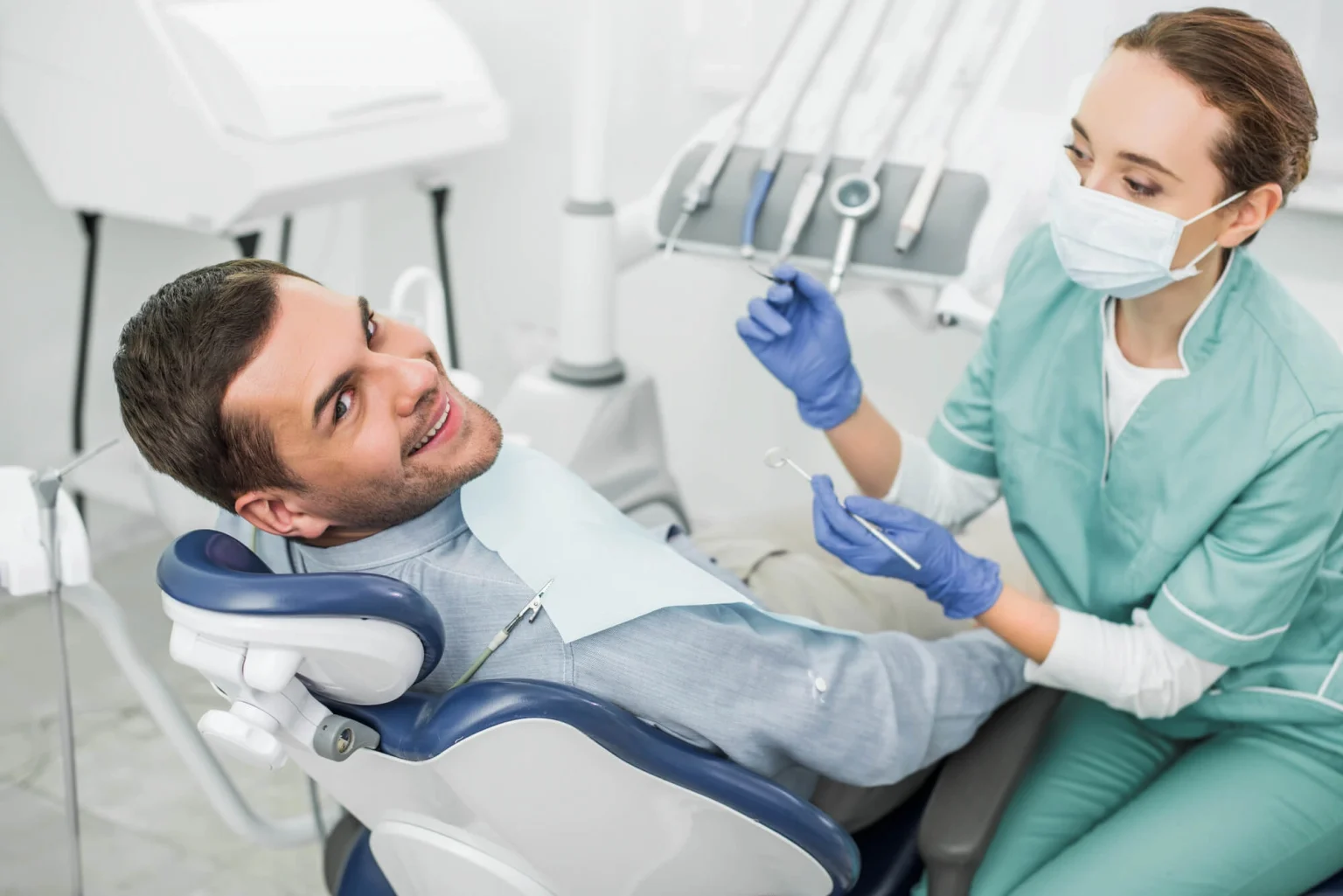
Top Reasons to See an Oral Surgeon and What to Expect
An oral surgeon plays a critical role in treating complex dental and facial conditions, ensuring long-term oral health, function, and confidence through specialized surgical care.
When it comes to advanced dental procedures, choosing the right oral surgeon in Montgomery, AL, can make all the difference. Whether you’re dealing with impacted teeth, jaw issues, or missing teeth, an oral surgeon provides specialized expertise that goes beyond general dentistry. Understanding when to seek their care—and what to expect—can help you make confident decisions about your oral health.

When Should You See an Oral Surgeon?
Common Reasons for Oral Surgery
Oral surgeons are trained to handle complex procedures involving the mouth, jaw, and facial structures. While general dentists can manage routine care, certain conditions require surgical expertise. These procedures are often necessary to restore function, relieve pain, and improve overall oral health.
Common reasons for oral surgery include impacted wisdom teeth, severe tooth decay that cannot be treated with fillings or crowns, and advanced gum disease affecting the bone structure. Patients may also need oral surgery for dental implant placement, jaw misalignment correction, or removal of cysts and tumors. In some cases, facial injuries or trauma require surgical intervention to repair damage and restore normal appearance and function.
Here are some of the most common reasons patients are referred to an oral surgeon:
- Impacted wisdom teeth removal
- Dental implant placement
- Jaw misalignment correction
- Treatment of facial trauma or injuries
- Removal of cysts or tumors in the oral cavity
- Bone grafting procedures
If you’re experiencing persistent pain, swelling, or difficulty chewing, it may be time to consult a specialist. Early evaluation can prevent complications and improve treatment outcomes.
Signs You May Need Specialized Care
Not every dental issue requires surgery, but some warning signs shouldn’t be ignored. These include:
- Chronic jaw pain or clicking
- Difficulty opening or closing your mouth
- Severe tooth decay beyond repair
- Missing teeth affecting your bite
- Facial swelling or infections
An oral surgeon can assess these symptoms and recommend the most effective treatment plan tailored to your needs.
What Procedures Do Oral Surgeons Perform?
Dental Implants for Long-Term Tooth Replacement
One of the most popular procedures performed by oral surgeons is dental implant placement. Implants are a durable and natural-looking solution for missing teeth. They involve placing a titanium post into the jawbone, which acts as a stable foundation for a crown.
Dental implants offer several benefits:
- Improved chewing and speaking ability
- Prevention of bone loss
- Long-lasting results
- Enhanced appearance and confidence
Because implant placement requires precision and surgical skill, it’s best handled by an experienced oral surgeon.
Wisdom Teeth Removal
Wisdom teeth often become impacted, meaning they don’t have enough room to emerge properly. This can lead to pain, infection, and damage to nearby teeth.
Oral surgeons perform wisdom tooth extractions using advanced techniques to minimize discomfort and promote faster healing. Removing problematic wisdom teeth early can help avoid more serious issues later on.
Corrective Jaw Surgery
Also known as orthognathic surgery, this procedure addresses misaligned jaws that affect chewing, speaking, and facial symmetry. It can significantly improve both function and appearance.
Patients who struggle with bite problems or chronic jaw pain often benefit from this type of surgical intervention.
What to Expect Before, During, and After Surgery
Pre-Surgery Consultation
Your journey begins with a detailed consultation. During this visit, the oral surgeon will:
- Review your medical and dental history
- Take imaging scans or X-rays
- Discuss your symptoms and goals
- Create a personalized treatment plan
This step ensures that you fully understand the procedure and feel prepared for what’s ahead.
The Procedure Itself
On the day of surgery, your comfort is a top priority. Depending on the complexity of the procedure, anesthesia options may include local anesthesia, sedation, or general anesthesia.
The surgeon will perform the procedure with precision, using modern techniques designed to reduce discomfort and improve recovery time.
Recovery and Aftercare
Healing time varies depending on the procedure, but most patients can expect:
- Mild swelling and discomfort for a few days
- Instructions for managing pain and preventing infection
- Temporary dietary adjustments (soft foods recommended)
- Follow-up visits to monitor healing
Following post-operative instructions carefully is essential for a smooth recovery and optimal results.
How to Choose the Right Oral Surgeon
Experience and Credentials Matter
Not all oral surgeons offer the same level of expertise. It’s important to choose a provider with extensive training, experience, and a strong reputation in the field.
Look for:
- Board certification and specialized training
- Positive patient reviews
- Advanced technology and modern techniques
- A focus on patient comfort and safety
Personalized Care and Communication
A great oral surgeon doesn’t just perform procedures—they also prioritize patient education and comfort. You should feel confident asking questions and discussing your concerns.
Clear communication helps build trust and ensures that you fully understand your treatment plan.
Benefits of Seeing an Oral Surgeon Early
Preventing Complications
Delaying necessary treatment can lead to more serious issues, including infections, bone loss, and worsening pain. Early intervention allows for simpler, more effective solutions.
Improving Overall Oral Health
Oral surgery isn’t just about fixing problems—it’s also about improving your long-term health. Procedures like dental implants and jaw correction can enhance your quality of life by restoring proper function and aesthetics. These treatments can also make daily activities like eating, speaking, and smiling more comfortable and efficient.
By addressing underlying issues early, oral surgery helps prevent more serious complications in the future. It also supports better oral hygiene, making it easier to maintain healthy teeth and gums over time.
Boosting Confidence
A healthy, complete smile can have a significant impact on your self-esteem. Addressing dental concerns through oral surgery can help you feel more comfortable in social and professional settings.

Visit an Oral surgeon in Montgomery, AL
Choosing the right oral surgeon in Montgomery, AL, ensures you receive expert care tailored to your needs. Whether you require dental implants, wisdom teeth removal, or corrective jaw surgery, working with a trusted professional can make your experience smoother and more successful. At Parkside Dental Care, patients receive compassionate, high-quality care designed to restore both function and confidence. Schedule your consultation today and take the first step toward a healthier, stronger smile.