
%20(1).webp)

%20(1).webp)

What Are the Benefits of Saving a Tooth with a Root Canal?
July 20, 2026
When a tooth becomes severely infected or damaged, saving it is often the best solution for your oral health. Choosing dentists that do root canals near you allows you to receive prompt treatment that removes infection while preserving your natural tooth. A root canal is designed to relieve pain, restore function, and help you avoid the long-term challenges that can come with losing a tooth.

Why Is Saving Your Natural Tooth Important?
Whenever possible, dentists recommend preserving your natural teeth. Your original teeth are specifically designed to work together, allowing you to chew comfortably, speak clearly, and maintain proper bite alignment.
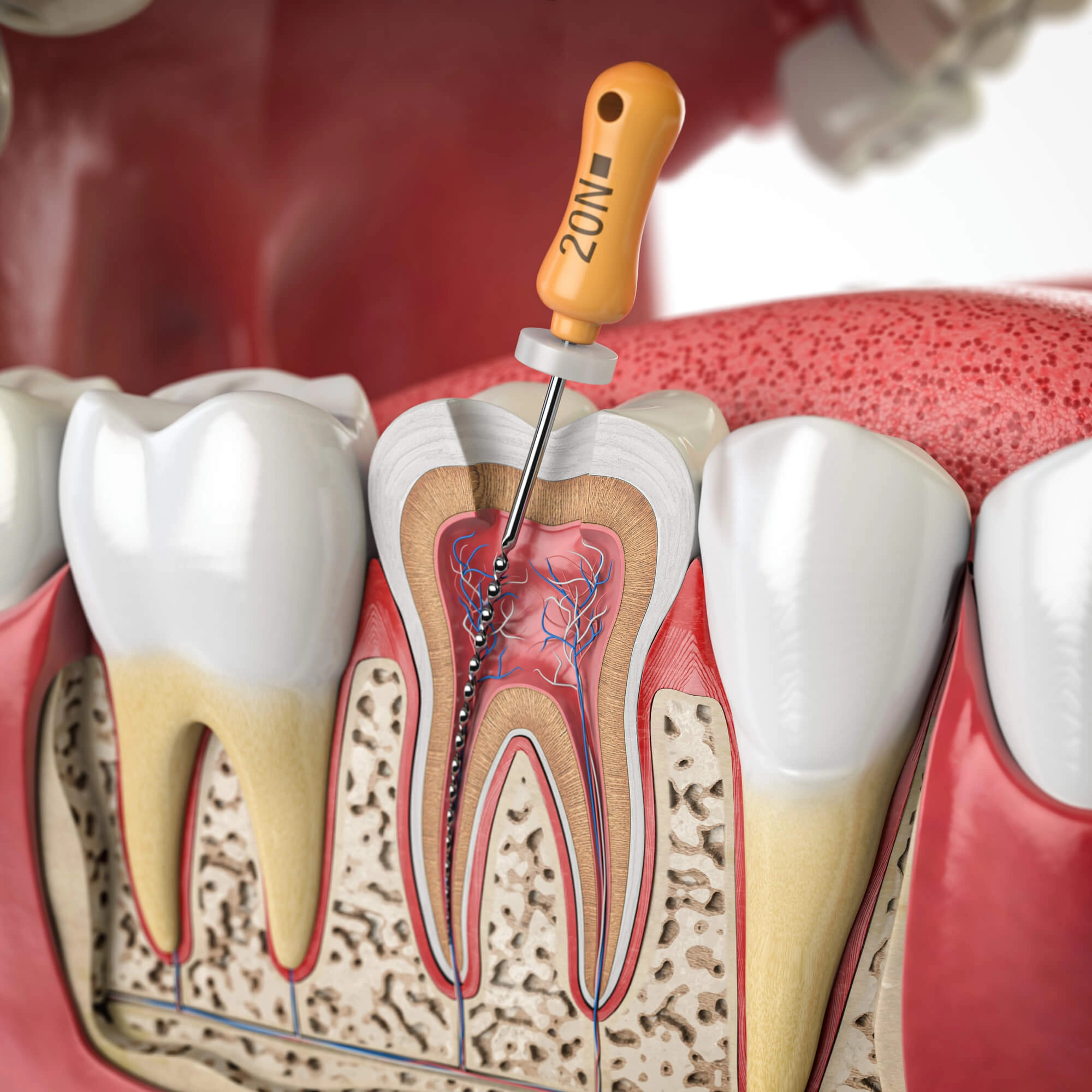
A root canal removes infected or damaged pulp from inside the tooth while keeping the healthy outer structure intact. After treatment, the tooth is restored with a filling or dental crown so it can continue functioning normally.
Saving your natural tooth offers advantages that artificial replacements cannot always replicate.
Natural Function and Comfort
Your natural teeth provide the best chewing efficiency because they are anchored securely by their natural roots and surrounding bone.
Keeping your original tooth allows you to:
- Bite and chew comfortably
- Speak naturally
- Maintain normal tooth sensation
- Preserve your natural smile
- Continue eating a wide variety of foods
Unlike extraction, a successful root canal lets you keep using your own tooth for many years.
Preserving Your Jawbone
The roots of your teeth stimulate the jawbone whenever you bite and chew. This stimulation helps maintain healthy bone density.
When a tooth is extracted without replacement, the surrounding bone gradually begins to shrink because it no longer receives regular stimulation. Saving the tooth with a root canal helps preserve the jawbone and supports your overall facial structure.
How Does a Root Canal Prevent Future Dental Problems?
An untreated tooth infection rarely improves on its own. Instead, bacteria continue spreading deeper into the tooth and surrounding tissues.
Stops the Infection
A root canal removes infected pulp and thoroughly disinfects the inside of the tooth. After cleaning the canals, your dentist seals the tooth to prevent bacteria from re-entering.
Treating the infection promptly reduces the risk of:
- Swelling
- Bone loss
- Damage to neighboring teeth
- More extensive dental procedures
Early treatment often leads to a simpler recovery and a better long-term outcome.
Prevents Tooth Loss
Without treatment, infection may eventually destroy enough tooth structure that extraction becomes the only option.
Saving the tooth early allows you to avoid replacing it with a dental bridge, dental implant, or partial denture, each of which requires additional treatment and expense.
Is a Root Canal Better Than Tooth Extraction?
While tooth extraction may seem like a quicker solution, preserving your natural tooth is usually the healthier long-term choice whenever possible.
Advantages of Saving the Tooth
Keeping your natural tooth helps maintain your bite and prevents neighboring teeth from shifting into the empty space.
Benefits include:
- Preserves natural chewing ability
- Maintains proper tooth alignment
- Protects surrounding bone
- Eliminates infection
- Restores normal appearance
- Often costs less over time than extraction followed by tooth replacement
Your dentist will recommend extraction only if the tooth cannot be successfully restored.
Avoiding Additional Dental Procedures
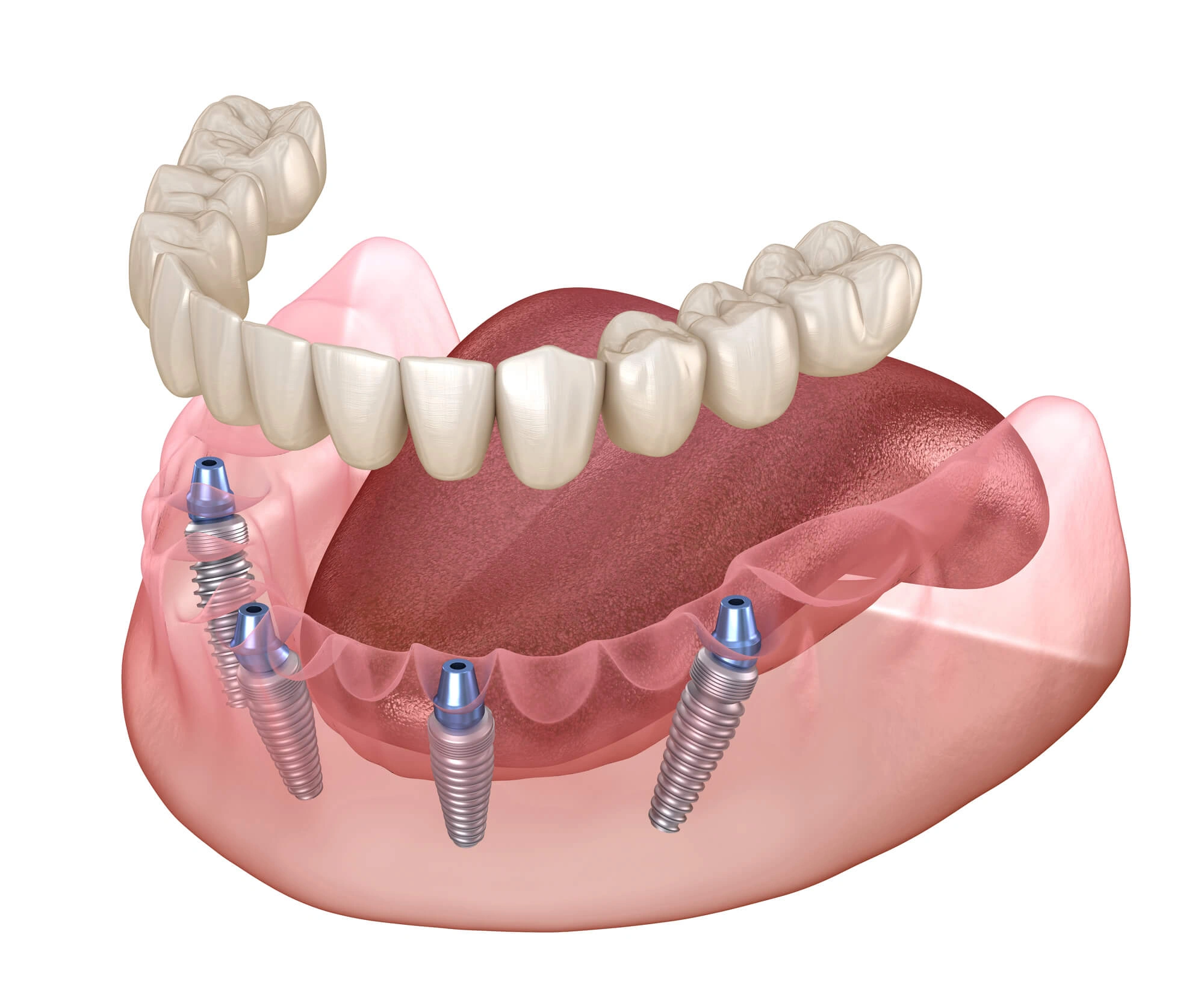
After an extraction, many patients choose to replace the missing tooth with an implant, bridge, or denture to restore function and appearance.
These procedures often involve:
- Additional appointments
- Higher overall costs
- Longer healing periods
- More complex treatment planning
A successful root canal frequently avoids the need for these extra procedures.

Does a Root Canal Relieve Tooth Pain?
Many people mistakenly believe root canals are painful. In reality, the procedure is performed to eliminate pain—not cause it.
Removing the Source of Pain
The discomfort associated with an infected tooth comes from inflammation and infection inside the pulp.
During a root canal, your dentist removes the infected tissue, disinfects the canals, and seals the tooth. Once the source of infection is eliminated, patients often experience significant pain relief.
Modern anesthetics and dental techniques allow most root canal procedures to feel similar to receiving a routine filling.
Restoring Everyday Comfort
After healing, patients are typically able to return to normal eating, speaking, and daily activities without the constant discomfort caused by an infected tooth.
What Can You Expect After a Root Canal?
Recovery from a root canal is generally straightforward.
You may notice mild tenderness for a few days, especially when chewing, but this usually improves quickly as the surrounding tissues heal.
To promote successful healing:
- Follow your dentist's instructions carefully.
- Brush and floss normally while being gentle around the treated area.
- Avoid chewing hard foods until the tooth is permanently restored.
- Take prescribed or recommended medications as directed.
- Return for placement of a permanent crown if recommended.
Most patients resume normal activities the following day.
How Long Can a Root Canal Last?
A properly treated and restored tooth can remain healthy for many years—and often for a lifetime.
Several factors influence longevity, including:
Good Oral Hygiene
Brushing twice daily, flossing every day, and attending regular dental checkups help protect the treated tooth from future decay.
Prompt Crown Placement
Many root canal-treated teeth require a dental crown for additional protection. The crown strengthens the tooth and reduces the risk of fractures during normal chewing.
Healthy Lifestyle Habits
Avoiding tobacco, limiting sugary foods, and wearing a mouthguard during sports can help extend the life of your restored tooth.
Routine dental visits also allow your dentist to monitor the treated tooth and address any concerns before they become serious.
Who Is a Good Candidate for a Root Canal?
A dentist will determine whether a root canal is appropriate after examining your tooth and reviewing X-rays.
You may benefit from treatment if you experience:
- Severe tooth pain when biting or chewing
- Prolonged sensitivity to hot or cold
- Swollen or tender gums
- A recurring pimple on the gums
- Deep tooth decay
- A cracked tooth that has reached the pulp
- Infection following dental trauma
Treating these issues early often increases the likelihood of successfully saving the tooth.

Protect Your Smile With Dentists That Do Root Canals Near You
Choosing timely treatment can make the difference between saving and losing a tooth. A root canal removes infection, relieves discomfort, and preserves your natural smile so you can continue enjoying normal function for years to come. Parkside Dental Care is committed to providing compassionate restorative dentistry using modern techniques that prioritize your comfort and long-term oral health. Schedule an evaluation today and take the next step toward protecting your smile.
Recent Articles




 (334) 271-9916
Recent Articles

