
%20(1).webp)

%20(1).webp)


How Dental Implants Help Preserve Jawbone Health
June 22, 2026
Tooth loss affects more than appearance—it directly impacts the health of your jawbone. Dental implants in Montgomery, AL, are widely considered the most effective long-term solution for replacing missing teeth because they restore both function and bone stimulation. Unlike dentures or bridges, implants integrate with the jawbone and help prevent the bone loss that commonly occurs after tooth loss.
Understanding how this process works can help patients make confident, informed decisions about restoring their smile and protecting their oral health for the futur.
Why Jawbone Health Depends on Natural Teeth
How Tooth Roots Keep Bone Healthy
Natural teeth do more than help you chew food—they play an essential role in maintaining jawbone strength. Each tooth root is anchored into the bone and stimulates it every time you bite or chew.
This stimulation signals the body to maintain bone density and structure. When teeth are healthy and present, the jawbone remains active, strong, and stable.
What Happens After Tooth Loss
When a tooth is lost, that stimulation disappears. Without regular chewing pressure, the body begins to break down the bone in that area because it is no longer being used.
This process, called bone resorption, can begin quickly and worsen over time.
Common consequences of untreated tooth loss include:
- Shrinking jawbone volume
- Changes in facial appearance
- Weakening of surrounding teeth
- Shifting or misalignment of remaining teeth
- Difficulty chewing certain foods
- Increased risk of additional tooth loss
These changes highlight why replacing missing teeth promptly is so important for long-term oral health.
How Dental Implants Prevent Jawbone Loss
Replacing the Tooth Root Function
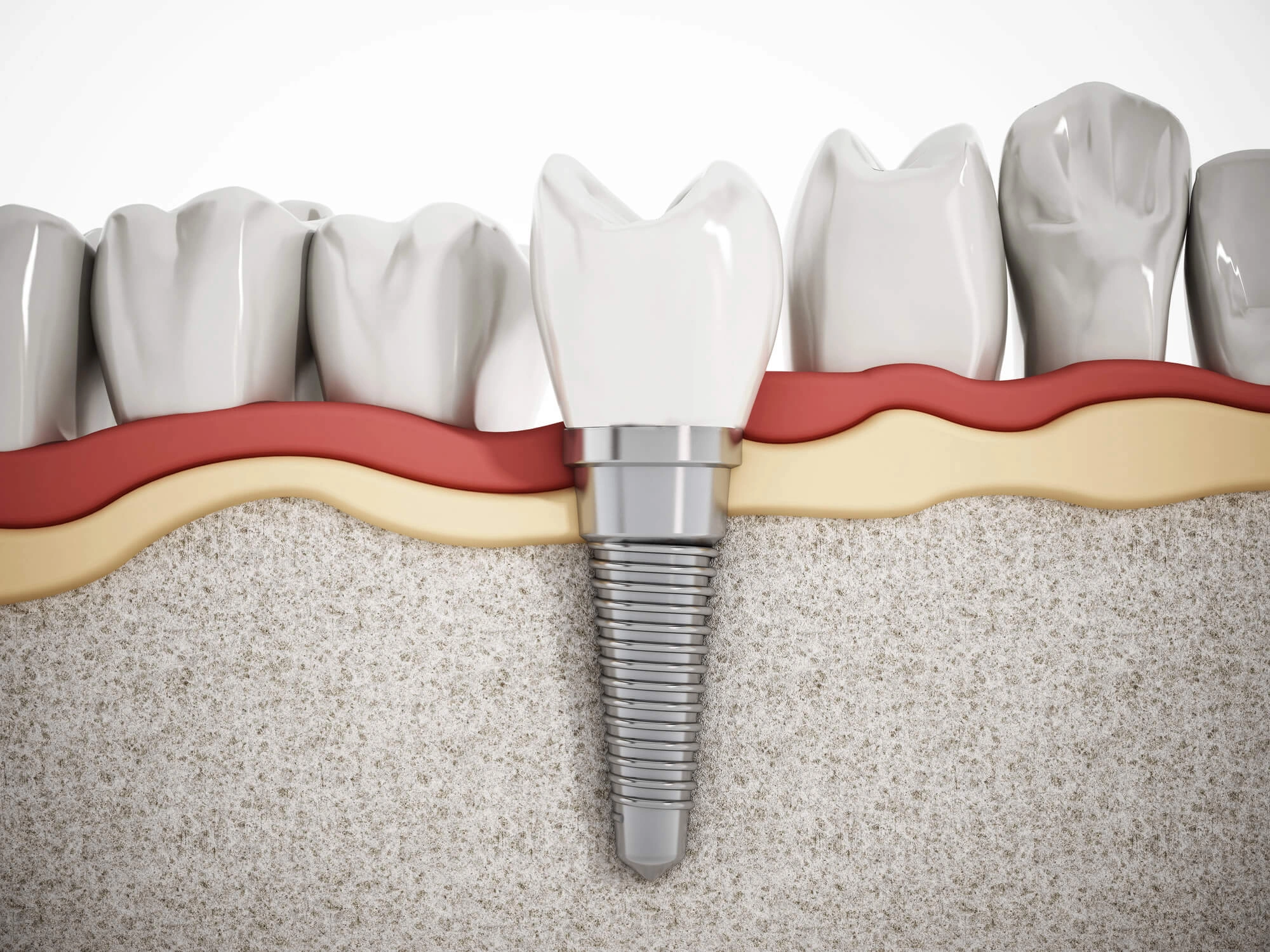
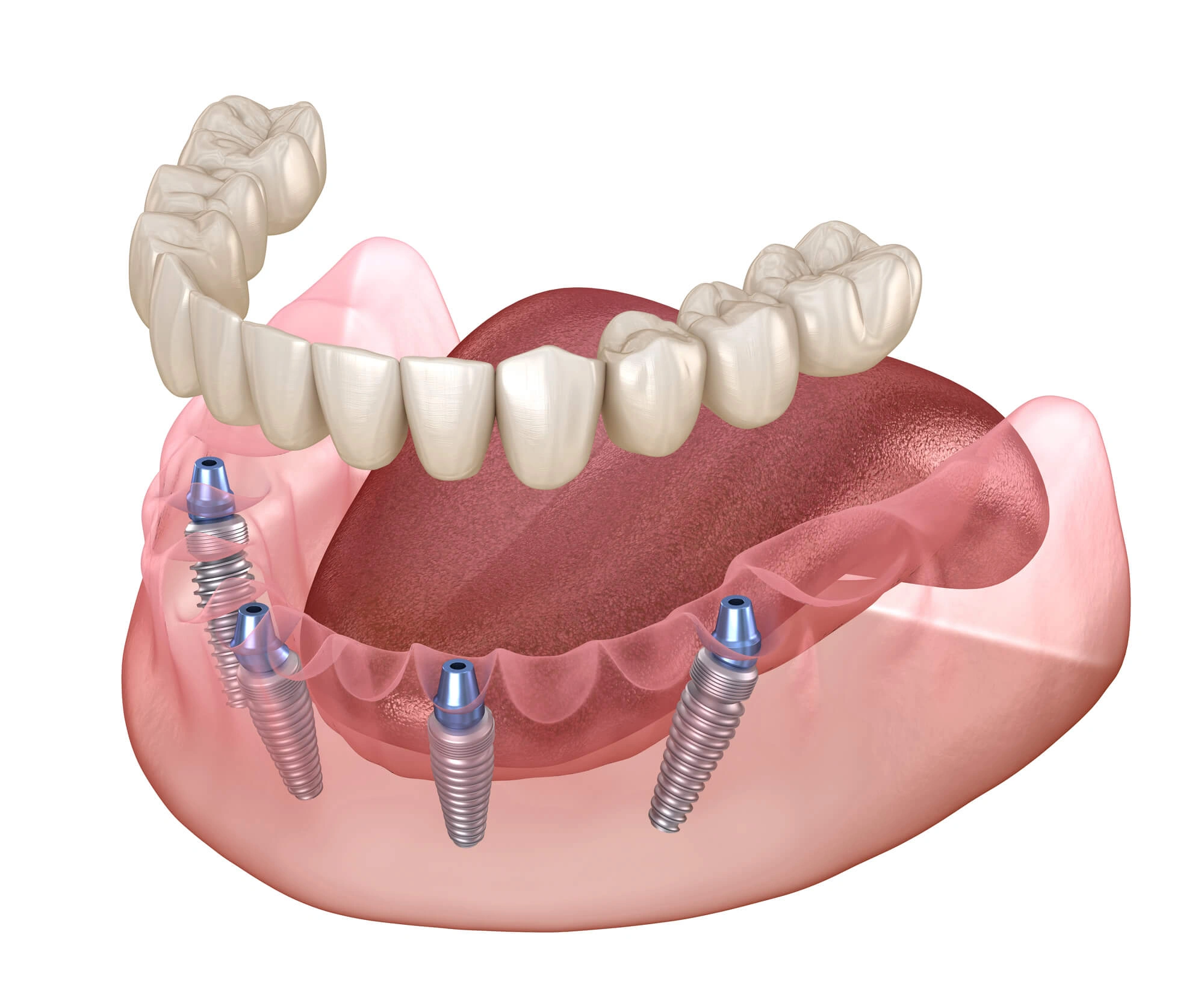
Dental implants are unique because they replace the entire tooth structure, including the root. A titanium post is surgically placed into the jawbone, where it functions like a natural tooth root. This allows the implant to restore the stimulation that the bone needs to stay healthy and active.
Unlike other tooth replacement options, implants integrate directly into the bone rather than sitting on top of the gums.
The Osseointegration Process Explained
One of the most important biological processes in implant dentistry is osseointegration. This is when the jawbone naturally grows around and bonds with the titanium implant.
Over time, the implant becomes a permanent part of the bone structure, providing a strong, stable foundation for the artificial tooth.
This process:
- Strengthens jawbone density
- Prevents further bone deterioration
- Secures the implant in place
- Mimics the function of a natural tooth root
Because of this integration, dental implants are the only tooth replacement option that actively helps preserve bone health.
Comparing Dental Implants to Other Tooth Replacement Options
Why Dentures Do Not Protect Bone
Traditional dentures rest on the gums and do not engage the jawbone. While they restore appearance and some chewing ability, they do not stimulate the bone beneath.
Over time, patients wearing dentures often experience ongoing bone loss, which can lead to:
- Loose-fitting dentures
- Discomfort while eating
- Need for frequent adjustments or replacements
- Changes in facial structure
This is why dentures may require periodic relining or replacement.
How Dental Bridges Differ
Dental bridges replace missing teeth by anchoring to adjacent natural teeth. While they restore appearance and function, they still do not replace the tooth root or stimulate the jawbone in the missing area.
Additionally, bridges require altering healthy teeth for support, which may affect long-term tooth integrity.
Why Implants Offer the Most Complete Solution
Compared to dentures and bridges, dental implants are the only option that:
- Replaces both tooth and root
- Stimulates jawbone growth
- Prevents bone shrinkage
- Preserves facial structure
- Does not rely on neighboring teeth
This makes them the most comprehensive and long-lasting tooth replacement option available today.

The Long-Term Benefits of Jawbone Preservation
Maintaining Facial Structure and Appearance
Jawbone loss does not just affect oral health—it also changes facial appearance. As the bone shrinks, the lower face may appear sunken or aged.
Dental implants help maintain natural facial contours by preserving bone volume. This support helps patients maintain a more youthful, balanced appearance.
Supporting Strong Oral Function
A healthy jawbone is essential for everyday functions like chewing and speaking. When bone structure is stable, patients can eat a full range of foods without discomfort.
Dental implants restore nearly natural biting strength, allowing patients to enjoy a normal diet again.
Preventing Future Dental Problems
Bone loss can lead to shifting teeth and bite misalignment, which may create additional dental issues over time. By preserving bone structure, implants help maintain alignment and reduce the risk of future complications.
What to Expect During Dental Implant Treatment
Evaluation and Treatment Planning
The process begins with a thorough evaluation of your oral health. A dentist will assess bone density, gum health, and overall suitability for implants using exams and imaging.
If bone loss is present, additional procedures such as bone grafting may be recommended to strengthen the jaw before implant placement.
A customized treatment plan is then created based on individual needs.
Implant Placement Procedure
During the procedure, a titanium post is surgically placed into the jawbone. Over the next several months, the bone naturally fuses with the implant through osseointegration.
This healing phase is essential for long-term stability and success.
Final Restoration Placement
Once healing is complete, a custom crown is attached to the implant. This restores the appearance and function of a natural tooth, completing the treatment process.
Who Is a Good Candidate for Dental Implants?
Key Factors for Eligibility
Most adults who have lost one or more teeth may be candidates for dental implants. However, certain factors influence treatment success:
- Adequate bone density or ability to rebuild bone
- Healthy gums free of active disease
- Good overall oral hygiene habits
- Commitment to regular dental care
- Non-smoking or willingness to quit
Even patients with bone loss may still qualify with preparatory treatments.
Bone Grafting for Added Support
If the jawbone is not strong enough to support an implant, bone grafting can be performed. This procedure helps rebuild lost bone and creates a stable foundation for implant placement.
This makes implants accessible to more patients than ever before.
Why Dental Implants Are a Long-Term Investment
Durability and Longevity
Dental implants are designed to last for many years and can often last a lifetime with proper care. Their durability makes them one of the most cost-effective long-term solutions for tooth replacement.
Improved Quality of Life
Beyond physical benefits, implants also improve confidence and quality of life. Patients often feel more comfortable smiling, speaking, and eating in social settings.

Schedule Your Appointment for Dental Implants in Montgomery, AL, for Stronger Bone Health and Lasting Smiles
Dental implants are the only tooth replacement option that actively preserves jawbone health by replacing the natural tooth root and stimulating bone growth. This helps prevent bone loss, maintain facial structure, and restore full oral function.
Parkside Dental Care provides advanced implant dentistry focused on long-term oral health, helping patients rebuild strong smiles with stable, natural-looking results designed to last. Schedule your appointment today.
Recent Articles




 (334) 271-9916
Recent Articles

