
%20(1).webp)

%20(1).webp)

Can Teeth Whitening Remove All Types of Stains?
July 6, 2026
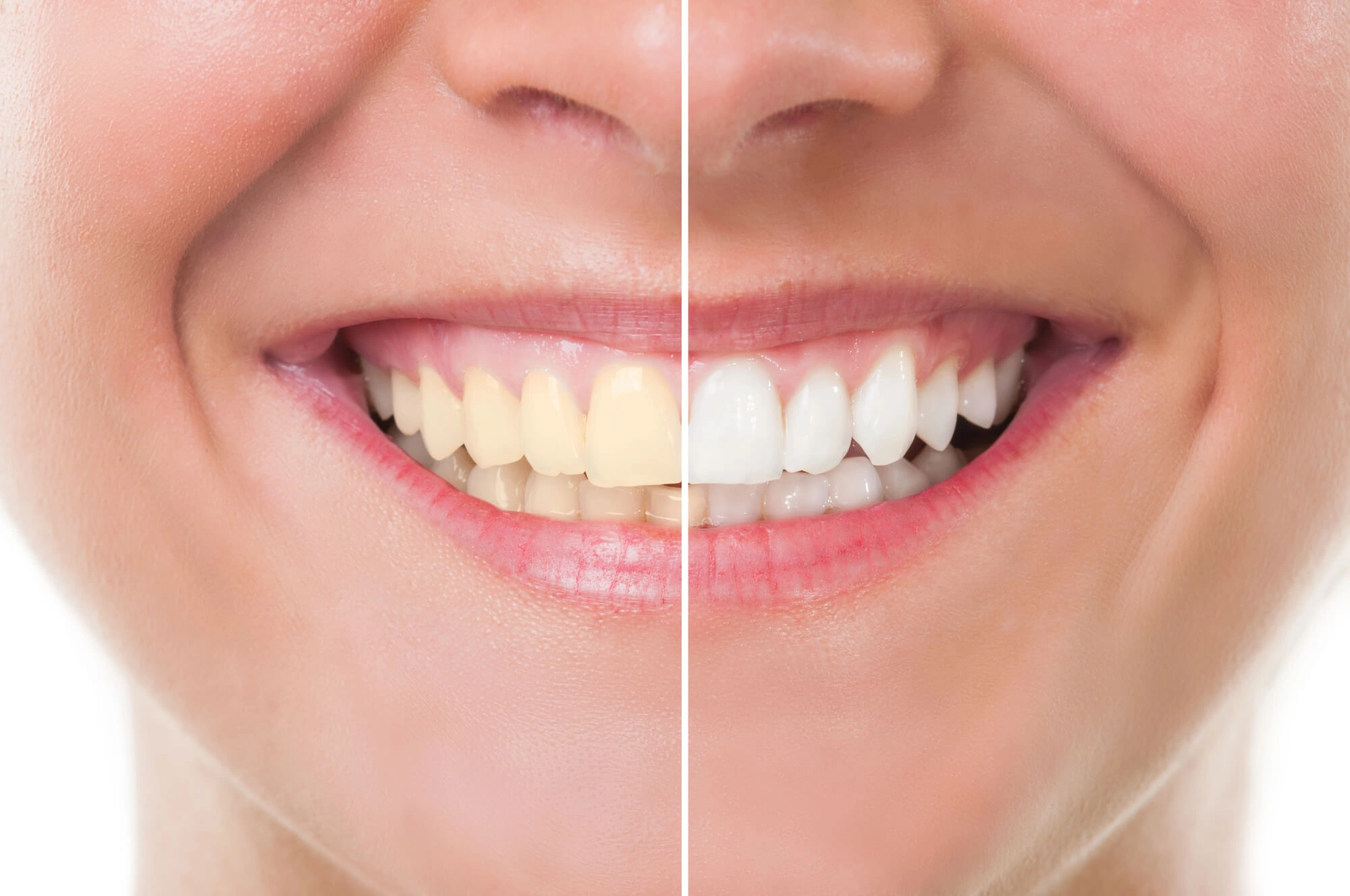
If you're hoping to achieve a brighter smile, understanding the cause of your tooth discoloration is the first step. Teeth whitening in Montgomery, AL, is highly effective for many types of stains, but not every form of discoloration responds the same way. A professional evaluation can determine the source of staining and recommend the treatment that will deliver the best results for your smile.
Professional teeth whitening is customized to your specific needs, helping improve the appearance of surface stains while ensuring the treatment is both safe and effective. With the right approach, you can enjoy a noticeably brighter, healthier-looking smile and longer-lasting results tailored to your unique dental needs.
Understanding the Different Types of Tooth Stains
Not all stains develop for the same reason. Some affect only the outer surface of the teeth, while others occur deep within the tooth structure. Knowing the difference helps determine whether professional whitening is the right solution.
Extrinsic Stains
Extrinsic stains appear on the enamel, which is the hard outer layer of your teeth. These are the most common types of stains and are generally the easiest to remove with professional whitening treatments.
Common causes include:
- Coffee
- Tea
- Red wine
- Dark-colored sodas
- Tobacco use
- Certain foods like berries and tomato-based sauces
- Poor oral hygiene
Because these stains sit on the surface, whitening gels can effectively break down the discoloration and restore a brighter appearance.
Intrinsic Stains
Intrinsic stains develop beneath the enamel within the dentin. These stains are more difficult to remove because they are embedded inside the tooth rather than on the surface.
Intrinsic discoloration may result from:
- Certain medications, such as tetracycline antibiotics
- Dental trauma
- Excessive fluoride exposure during tooth development
- Some medical conditions
While professional whitening may improve mild intrinsic stains, deeper discoloration often requires alternative cosmetic treatments.
Age-Related Stains
Many adults experience a combination of extrinsic and intrinsic staining over time. As enamel naturally wears down with age, the yellow dentin beneath becomes more visible. Years of consuming staining foods and beverages also contribute to discoloration.
Professional whitening can often brighten age-related stains, although the final results depend on the severity of the discoloration.
Which Types of Stains Respond Best to Professional Teeth Whitening?
Professional whitening treatments produce the most noticeable improvements on surface stains caused by lifestyle habits.
Patients often see excellent results if discoloration is caused by:
- Coffee or tea consumption
- Wine or soft drinks
- Smoking or tobacco use
- Food pigments
- Natural aging with mild yellowing
Professional-strength whitening solutions penetrate the enamel safely while breaking apart stain molecules, creating a noticeably brighter smile than most over-the-counter products.
Why Professional Whitening Is More Effective
Unlike store-bought whitening strips or toothpaste, professional whitening uses stronger yet carefully controlled whitening agents.
Benefits include:
- Faster results
- More even whitening
- Customized treatment
- Reduced risk of gum irritation
- Supervision by a dental professional
Your dentist also evaluates your oral health before treatment to ensure whitening is appropriate for your teeth.

Which Stains May Not Respond Well to Whitening?
Although whitening is highly effective for many patients, certain discoloration types respond differently.
Medication-Related Stains
Teeth darkened by tetracycline or similar medications often develop gray, blue, or brown discoloration deep within the tooth. These stains are difficult to eliminate with whitening alone.
Fluorosis
Excess fluoride exposure during childhood can create white spots, brown streaks, or uneven discoloration. Whitening may improve surrounding tooth color but may not completely eliminate these markings.
Dental Restorations
Whitening products only affect natural tooth enamel.
The following restorations will not change color:
- Crowns
- Fillings
- Bonding materials
- Bridges
If restorations no longer match your newly whitened teeth, your dentist may recommend replacing them after whitening to create a more uniform appearance.
What Are the Alternatives if Whitening Isn't Enough?
If whitening cannot fully address your discoloration, cosmetic dentistry offers several additional solutions.
Dental Veneers
Porcelain veneers cover the front surface of teeth to conceal severe discoloration, chips, gaps, and uneven shapes while creating a bright, natural-looking smile.
Dental Bonding
Bonding uses tooth-colored composite resin to mask localized discoloration and improve the appearance of individual teeth.
Dental Crowns
Crowns restore teeth that are severely damaged or deeply discolored while improving both strength and aesthetics.
Your dentist will recommend the treatment that best fits your smile goals and the cause of your discoloration.
How Can You Maintain Your Whitening Results?
After professional whitening, proper care helps preserve your brighter smile for as long as possible.
Practice Good Oral Hygiene
Brush twice daily using fluoride toothpaste and floss every day to remove plaque before stains develop.
Limit Staining Foods and Drinks
Coffee, tea, red wine, dark sodas, and richly colored foods can gradually stain your teeth again. Drinking water after consuming these beverages may help reduce staining.
Avoid Tobacco Products
Smoking and chewing tobacco are among the leading causes of persistent tooth discoloration. Avoiding tobacco helps maintain your whitening results while supporting your overall oral health.
Schedule Regular Dental Cleanings
Professional cleanings remove plaque and surface stains before they become more noticeable, helping extend the effects of whitening treatments.
Ask About Touch-Up Treatments
Some patients benefit from occasional touch-up whitening treatments to maintain their desired shade over time.
Is Professional Teeth Whitening Right for You?
Professional whitening is an excellent option for many adults with healthy teeth and gums. Before beginning treatment, your dentist will evaluate your oral health, identify the cause of your discoloration, and discuss realistic expectations.
If cavities, gum disease, or other dental concerns are present, these conditions should typically be treated before whitening. A personalized consultation ensures you receive the safest and most effective treatment for your smile.
Brighten Your Smile With Teeth Whitening in Montgomery, AL
A brighter smile starts with understanding the type of stains affecting your teeth and choosing the treatment that's right for you. Whether your discoloration is caused by everyday habits or natural aging, professional guidance can help you achieve noticeable, long-lasting results. The experienced team at Parkside Dental Care provides personalized cosmetic dental solutions designed to enhance your smile safely and effectively.
Schedule a consultation today to discover the best option for achieving the confident smile you've always wanted.
Recent Articles
 (334) 271-9916
Recent Articles

