
%20(1).webp)

%20(1).webp)


How to Overcome Dental Anxiety and Feel More Comfortable
April 27, 2026
Dental anxiety is common, but with the right strategies and support, you can feel calm and in control during your visits. The parkside dental team understands that fear can prevent patients from getting the care they need, which is why creating a comfortable and reassuring experience is always a priority.

Understanding Dental Anxiety and Why It Happens
Dental anxiety affects people of all ages and can range from mild nervousness to severe fear. For some, it may come from a past negative experience, while others may feel uneasy due to fear of pain, sounds, or even the clinical environment.
Understanding the root of your anxiety is the first step toward overcoming it. When you identify what specifically makes you uncomfortable, you can take targeted steps to address those concerns.
Common Causes of Dental Anxiety
Many patients share similar reasons for feeling anxious about dental visits, including:
- Fear of pain or discomfort
- Negative past dental experiences
- Feeling a lack of control while in the chair
- Embarrassment about oral health
- Sensitivity to sounds, smells, or instruments
Recognizing these triggers helps both you and your dental provider create a plan to reduce stress and improve your overall experience.
How Avoiding the Dentist Can Make Things Worse
While it may feel easier to skip appointments, avoiding the dentist often leads to more serious oral health problems. Small issues like cavities or gum inflammation can progress into more complex conditions that require extensive treatment.
Regular visits allow early detection and prevention, making procedures simpler, quicker, and more comfortable. Facing your anxiety now can save you from greater discomfort later.
Practical Ways to Feel More Comfortable at the Dentist
The good news is that there are many effective ways to reduce dental anxiety and make your visits more manageable.
Communicate Openly with Your Dental Team
One of the most important steps is to be honest about your fears. Letting your dentist know how you feel allows them to adjust their approach and provide reassurance throughout your appointment.
You can also agree on simple signals, like raising your hand, to indicate when you need a break. This helps restore a sense of control and makes the experience less overwhelming.
Choose the Right Appointment Time
Scheduling your visit at a time when you feel most relaxed can make a big difference. For many people, morning appointments are ideal because they reduce the time spent worrying throughout the day.
Avoid rushing to your appointment, as feeling hurried can increase anxiety. Give yourself enough time to arrive calmly and settle in.
Practice Relaxation Techniques
Simple relaxation methods can help calm your mind and body before and during your visit. These include:
- Deep breathing exercises
- Listening to calming music or podcasts
- Visualizing a peaceful place
- Progressive muscle relaxation
Practicing these techniques regularly can make them more effective when you need them most.
Bring Comfort Items
Small comforts can have a big impact on your experience. Consider bringing headphones, a favorite playlist, or even a stress ball to help you stay relaxed.
Some patients also find comfort in having a friend or family member accompany them to the appointment for added support.
Professional Support for Managing Dental Anxiety
If your anxiety is more severe, professional support and modern dental techniques can make a significant difference.
Gentle and Patient-Focused Care
Many dental practices today prioritize patient comfort through a gentle and understanding approach. This includes explaining procedures step by step, checking in frequently, and ensuring you feel heard and respected.
A supportive environment can transform how you feel about dental visits over time.
Sedation Options for a Stress-Free Experience
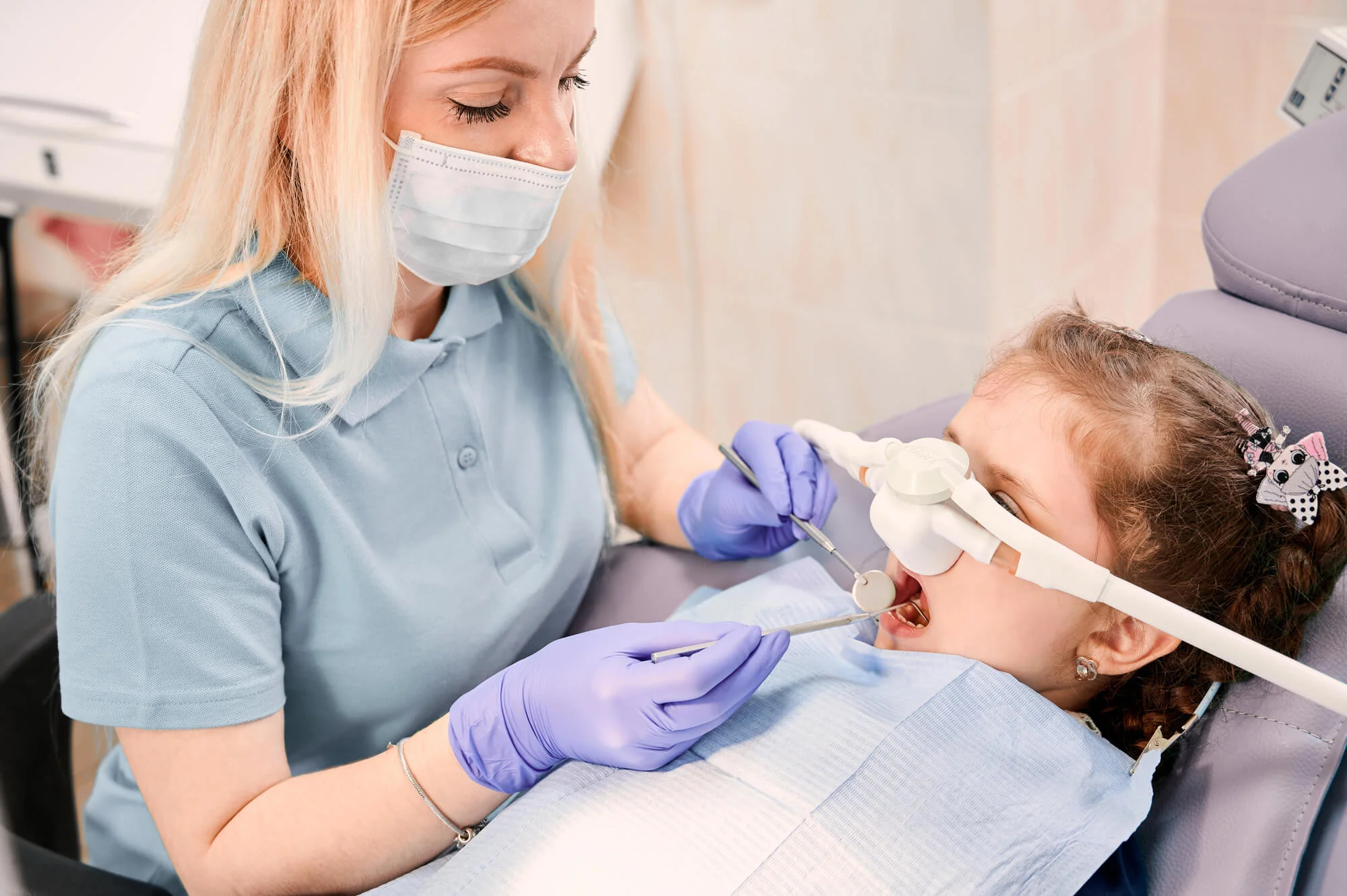
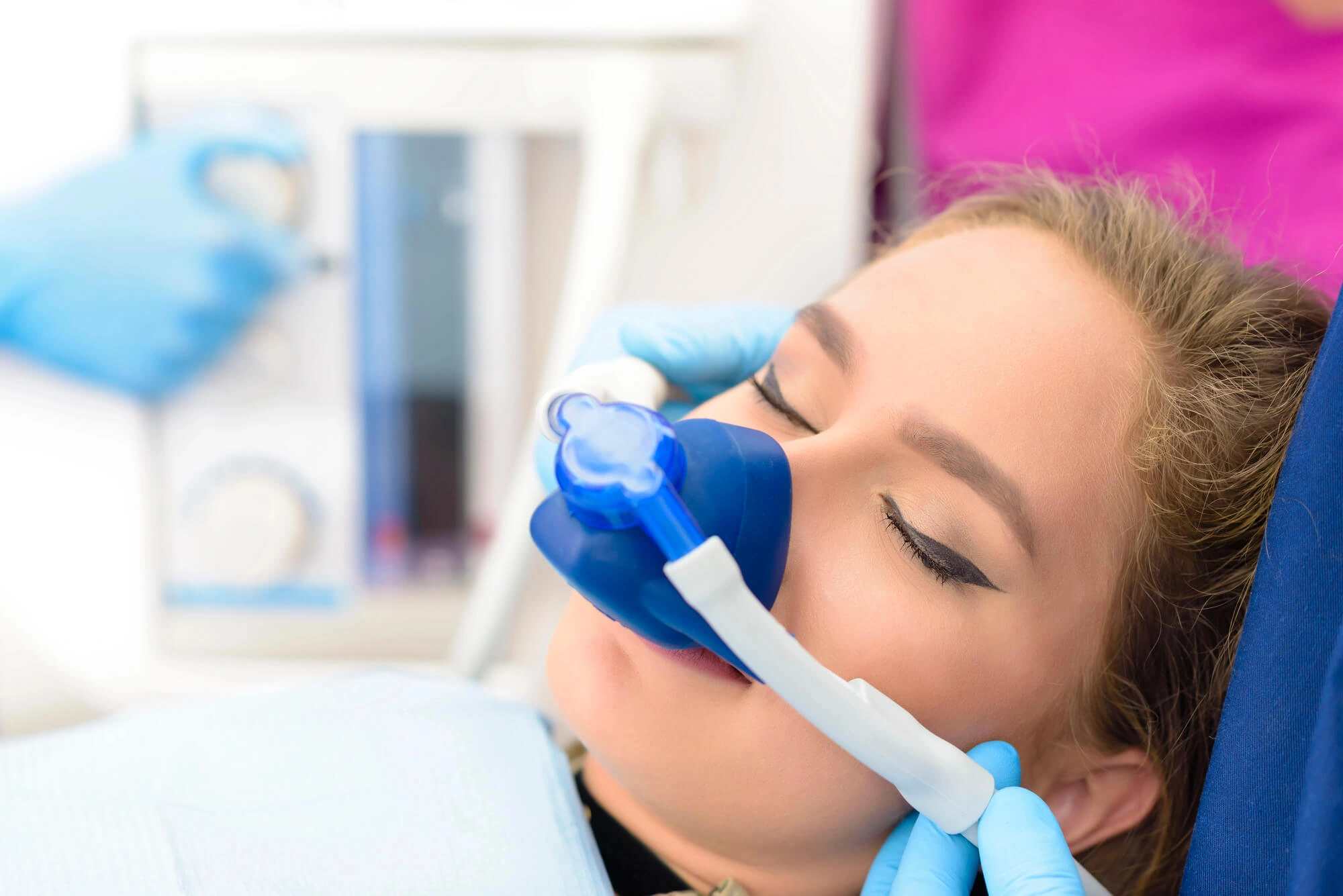
For patients with higher levels of anxiety, sedation dentistry may be an option. Techniques such as mild oral sedation or nitrous oxide can help you feel more relaxed during procedures.
These options are safe and designed to make your visit as comfortable as possible, especially for longer or more complex treatments.
Building Trust Over Time
Overcoming dental anxiety doesn’t happen overnight, and that’s okay. Each positive experience helps build trust and confidence.
Starting with simple procedures, like routine cleanings, can help you gradually become more comfortable in the dental setting. Over time, visits will feel less intimidating and more routine.
Creating Positive Dental Habits at Home
Your comfort at the dentist is also influenced by how well you maintain your oral health at home. Healthy habits can reduce the need for complex treatments, making visits quicker and less stressful.
Daily Habits That Make a Difference
Taking care of your teeth consistently can prevent many common dental issues. Focus on:
- Brushing twice a day with fluoride toothpaste
- Flossing daily to remove plaque between teeth
- Limiting sugary foods and drinks
- Drinking plenty of water
When your oral health is in good condition, dental visits become simpler and more predictable.
Stay Consistent with Regular Checkups
Routine dental visits help you stay ahead of potential problems. When appointments become a regular part of your schedule, they feel less intimidating and more like a normal aspect of self-care.
Consistency also allows your dental team to monitor your progress and adjust your care plan as needed.
Building Confidence for Future Visits
Confidence grows with preparation and positive experiences. By taking small steps, you can change how you feel about dental care over time.
Start Small and Set Realistic Goals
If you’ve been avoiding the dentist, begin with a simple consultation rather than a full procedure. This allows you to meet the dental team, ask questions, and become familiar with the environment without pressure.
Setting achievable goals helps reduce overwhelm and builds momentum toward regular care.
Reward Yourself After Appointments
Creating a positive association with dental visits can help reduce anxiety. Plan something enjoyable after your appointment, such as a favorite meal, relaxing activity, or time with loved ones.
This gives you something to look forward to and reinforces a sense of accomplishment.
Focus on the Benefits of a Healthy Smile
Reminding yourself why dental care matters can shift your perspective. A healthy smile not only improves your appearance but also supports your overall health and well-being.
When you focus on the long-term benefits, it becomes easier to face short-term discomfort or fear.

Experience Comfortable Care with the Parkside Dental Team
Overcoming dental anxiety is possible with the right support, mindset, and approach. The Parkside dental team is dedicated to helping patients feel comfortable, understood, and confident in their dental care journey.
If fear has been holding you back, now is the perfect time to take that first step. With compassionate care and a focus on your comfort, Parkside Dental Care is here to help you achieve a healthier, stress-free smile. Schedule your appointment today and experience the difference for yourself.
Recent Articles

 (334) 271-9916
Recent Articles

