
%20(1).webp)

%20(1).webp)


How 3D Cone Beam Imaging Is Transforming Advanced Dental Care
February 9, 2026
3D cone beam imaging allows dentists to diagnose and treat dental concerns with unmatched precision, making procedures safer, faster, and more comfortable for patients.
When it comes to advanced dental care in Montgomery, AL, modern technology plays a powerful role in improving patient outcomes. One of the most impactful innovations in recent years is 3D cone beam scanning. This cutting-edge imaging system gives dentists a detailed, three-dimensional view of your teeth, jaw, nerves, and surrounding structures — all in a single scan.

What Is 3D Cone Beam Imaging and Why Does It Matter?
3D cone beam computed tomography (CBCT) is an advanced imaging technology that captures highly detailed, three-dimensional images of your oral structures. Unlike traditional dental X-rays, which provide flat, two-dimensional images, cone beam scans show depth, angles, and spatial relationships.
This matters because dentistry isn’t flat — your teeth, roots, nerves, and bone structure exist in a complex three-dimensional space. Having a full view allows dentists to plan treatments with exceptional accuracy.
How Is It Different From Traditional X-Rays?
Traditional X-rays:
- Provide 2D images
- May require multiple angles
- Offer limited depth perception
3D cone beam scans:
- Deliver a full 360-degree view
- Capture bone density and nerve positioning
- Reduce guesswork during treatment planning
The result? Better diagnosis, more predictable outcomes, and improved patient safety.
What Dental Procedures Benefit From 3D Imaging?
Many restorative and surgical treatments rely heavily on precision. 3D imaging is especially valuable for:
- Dental implant placement
- Root canal therapy
- TMJ evaluation
- Orthodontic planning
- Detecting hidden infections or fractures
By seeing the exact location of nerves and bone structure, dentists can avoid complications and design customized treatment plans.
How Does 3D Cone Beam Scanning Improve Patient Safety?
Safety is one of the biggest advantages of this technology. Dentistry requires working near delicate structures such as nerves and sinuses. A small miscalculation can lead to discomfort or extended healing time.
More Accurate Implant Placement
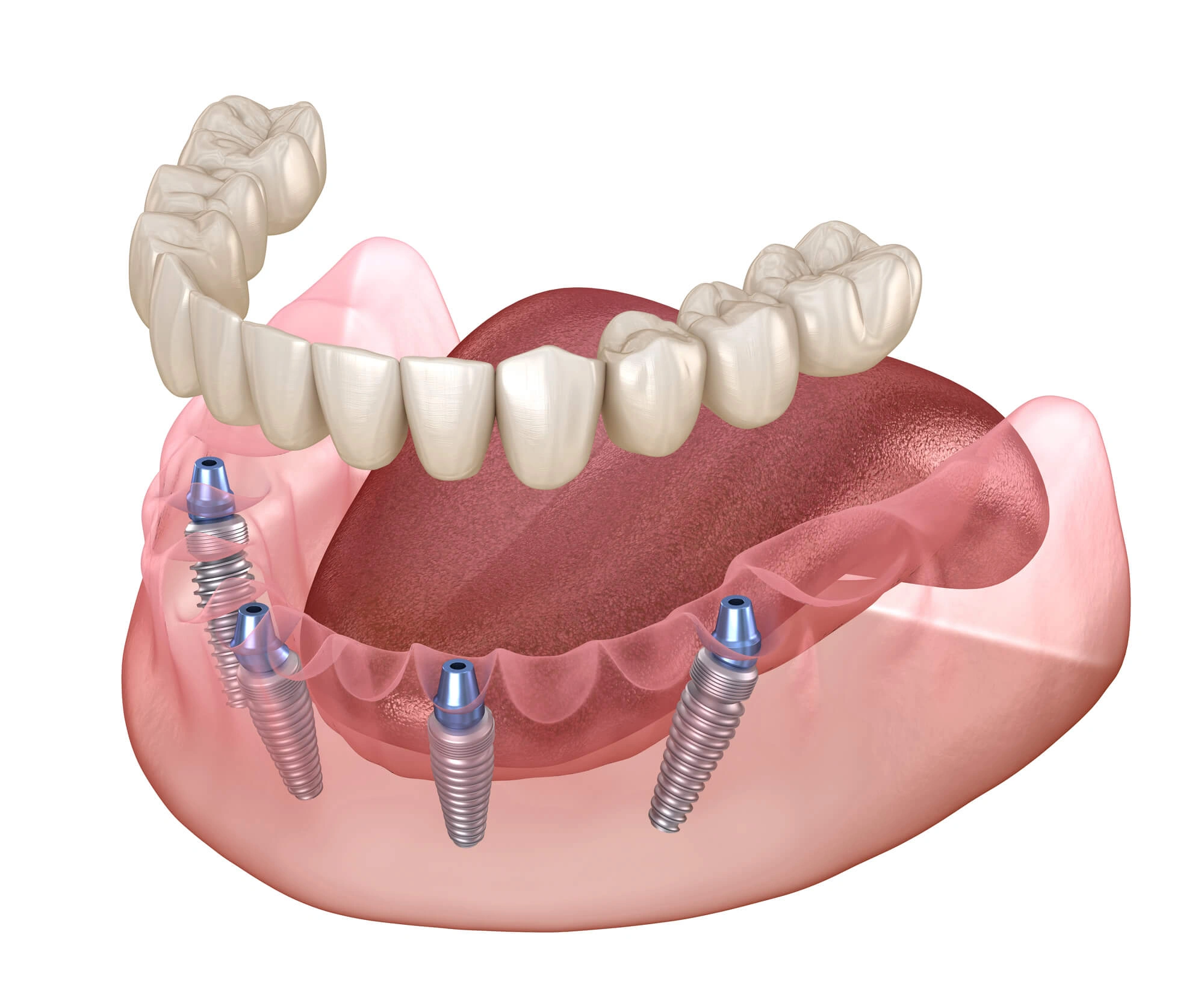
Dental implants must be positioned precisely to ensure stability and avoid nerve damage. 3D imaging allows dentists to:
- Measure bone height and width
- Identify nerve pathways
- Plan the exact implant angle
- Reduce surgical surprises
This level of detail significantly improves long-term success rates.
Early Detection of Hidden Issues
Many dental problems develop below the surface. Infections, bone loss, cysts, or fractures may not be visible during a standard exam. 3D scans reveal hidden concerns early, allowing for prompt treatment before problems worsen.
Early detection often means:
- Less invasive procedures
- Lower treatment costs
- Faster recovery
- Better overall oral health outcomes
What Can Patients Expect During a 3D Cone Beam Scan?
One common concern patients have is whether the process is uncomfortable or time-consuming. Fortunately, 3D cone beam scanning is quick and simple.
The Scanning Process
The procedure typically takes less than a minute. Patients stand or sit while the machine rotates gently around the head. There is no pain, no physical contact, and no downtime. You won’t need special preparation, and you can resume your normal activities immediately after the scan.
Is Radiation Exposure Safe?
Another frequent question involves radiation levels. Modern cone beam systems are designed to use minimal radiation — often comparable to or only slightly higher than traditional dental X-rays, depending on the area being scanned. Dentists carefully determine when 3D imaging is necessary and use it strategically to maximize diagnostic benefits while minimizing exposure.
Why Technology Matters When Choosing a Dental Provider
Not all dental offices invest in advanced imaging technology. When selecting a provider, access to modern tools can significantly impact the quality of care you receive.
Better Treatment Planning
With detailed 3D images, dentists can:
- Create highly customized treatment plans
- Simulate procedures before performing them
- Reduce procedural risks
- Improve communication with patients
Patients benefit from seeing their own scans, which makes it easier to understand diagnoses and recommended treatments.
Increased Comfort and Confidence
When your dentist can clearly explain what’s happening inside your mouth — and show you — it builds trust. Patients often feel more confident moving forward with procedures when they know planning is based on precise data rather than estimation.
Confidence reduces anxiety, which leads to a more positive dental experience overall.

How Does 3D Imaging Support Restorative Dentistry?
Restorative dentistry focuses on repairing damaged or missing teeth while restoring both function and aesthetics. Precision is critical in these procedures.
Dental Implants
Implants require strong bone support and accurate placement. 3D cone beam scanning ensures:
- Proper implant alignment
- Adequate bone structure evaluation
- Avoidance of sinus cavities and nerves
- Long-term stability
This technology transforms implants from a complex surgical guess into a carefully mapped procedure.
Complex Root Canal Cases
Root canals involve cleaning infected pulp from inside a tooth’s canal system. Some teeth have multiple canals that can be difficult to detect using traditional X-rays. 3D imaging reveals hidden canals and curved roots, increasing the success rate of treatment.
Bone Grafting and Surgical Procedures
For patients with bone loss, grafting may be necessary before implant placement. A detailed scan helps dentists determine the exact volume of bone required and plan the procedure accordingly.
Are There Situations Where 3D Imaging Is Essential?
While not every routine exam requires 3D scanning, certain situations make it highly recommended.
Ideal Scenarios for 3D Cone Beam Use
- Planning dental implants
- Evaluating impacted teeth
- Assessing jaw pain or TMJ disorders
- Investigating unexplained oral discomfort
- Diagnosing facial trauma
- Complex restorative cases
In these scenarios, traditional X-rays simply cannot provide the same level of diagnostic clarity.
The Long-Term Benefits of Advanced Imaging Technology
Investing in advanced imaging doesn’t just improve a single appointment — it enhances your long-term oral health journey.
More Predictable Outcomes
When procedures are thoroughly planned using precise imaging, results are more consistent and reliable. This reduces the likelihood of retreatment or complications.
Cost-Effective Care Over Time
Although advanced imaging may seem like an added step, it often saves money in the long run. Accurate diagnoses prevent unnecessary procedures and minimize the risk of corrective treatments.
Improved Overall Health
Oral health is closely connected to overall health. Infections or bone loss left undetected can impact systemic health. Early and accurate detection supports total well-being.
Experience Advanced Dental Care in Montgomery AL With Precision and Confidence
If you’re seeking advanced dental care in Montgomery, AL, 3D cone beam imaging can make a meaningful difference in your treatment experience. From safer implant placement to more accurate diagnoses, this technology supports precision, comfort, and long-term success. At Parkside Dental Care, patients benefit from modern diagnostic tools combined with compassionate, individualized care. If you’re ready to experience dentistry powered by clarity and innovation, schedule your appointment today and discover how advanced imaging can elevate your oral health journey.
Recent Articles





 (334) 271-9916
Recent Articles

